
Treasures
from the Archives
Our Lady of the Cenacle
Treasures
from the Archives
Our Lady of the Cenacle
For almost a century, the prayer ministry has woven a spiritual bond between local Catholics and certain Cenacle communities. Originally known as the “Crusade of Prayer” (often shortened to “The Crusade”), this apostolate is known today as “Prayer Enrollments.” This prayer card ministry allows retreatants, and the local faithful at large, to share in the graces of the Masses, prayers, and spiritual works of the Cenacle Sisters.
This spiritual service consists of enrolling the name of an individual (oneself, a loved one, a sick person, or a deceased person) so that they may benefit from the prayers and Masses of a Cenacle community. In the past, enrollment was done by visiting the Crusade Office of a Cenacle house or by mail; today, it can be done online.
Those who enroll (or are enrolled by others) become members of a “prayer enrollment.” Options include annual enrollments or perpetual enrollments (where the person is prayed for “in perpetuity”). By giving a “prayer card,” one assures the recipient that they are included in the congregation’s daily prayer intentions. They receive spiritual benefits by sharing in the merits of the daily Masses, prayers, and works of the congregation.
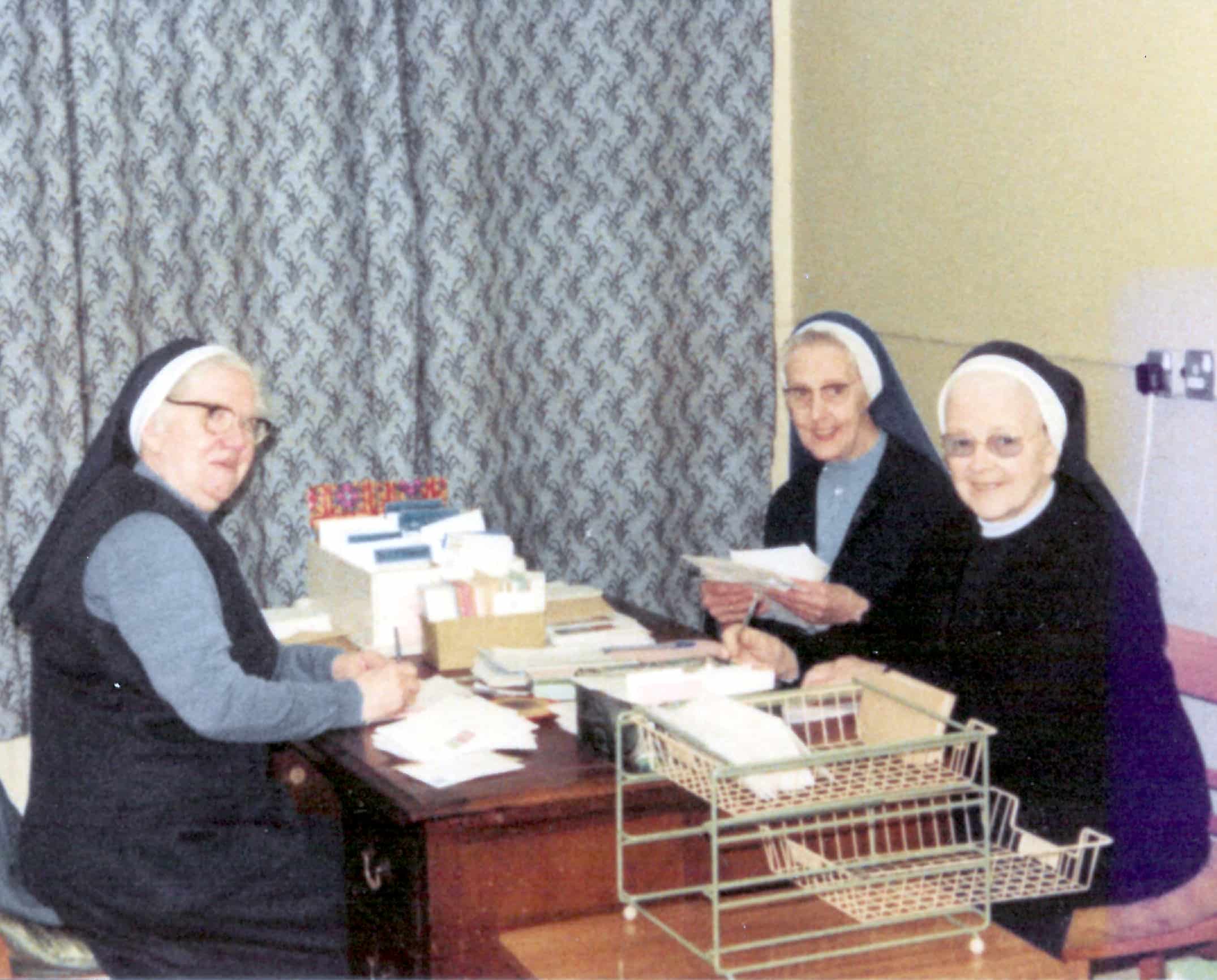
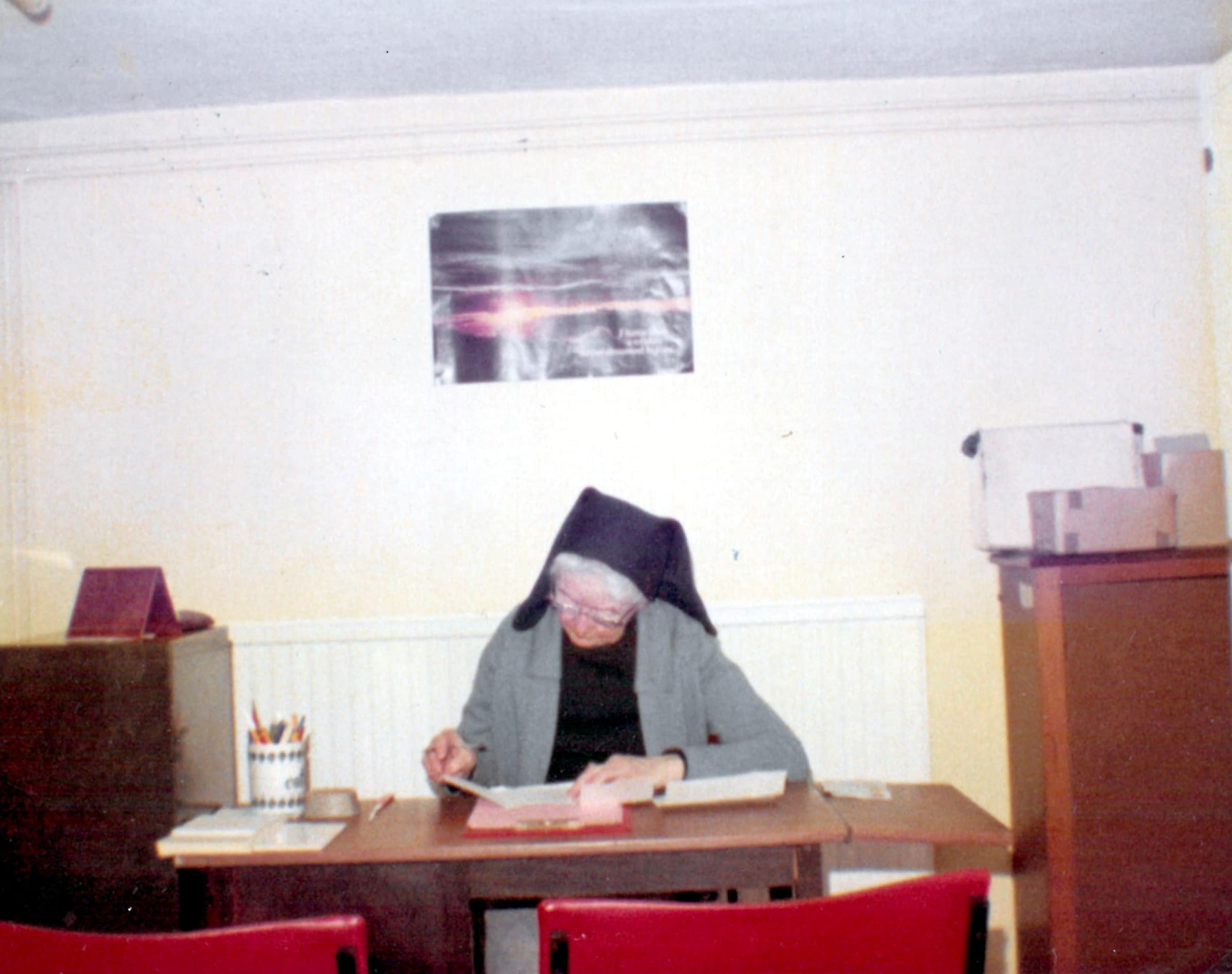
The cards given to beneficiaries are beautiful, illustrated cards featuring calligraphed names. They can be sent by mail.
These cards adapt to key moments in life: sympathy cards for the loss of a loved one, healing cards to support the sick, and cards for special occasions (birthdays, weddings, or religious feasts).
Thus, this ministry serves two functions:
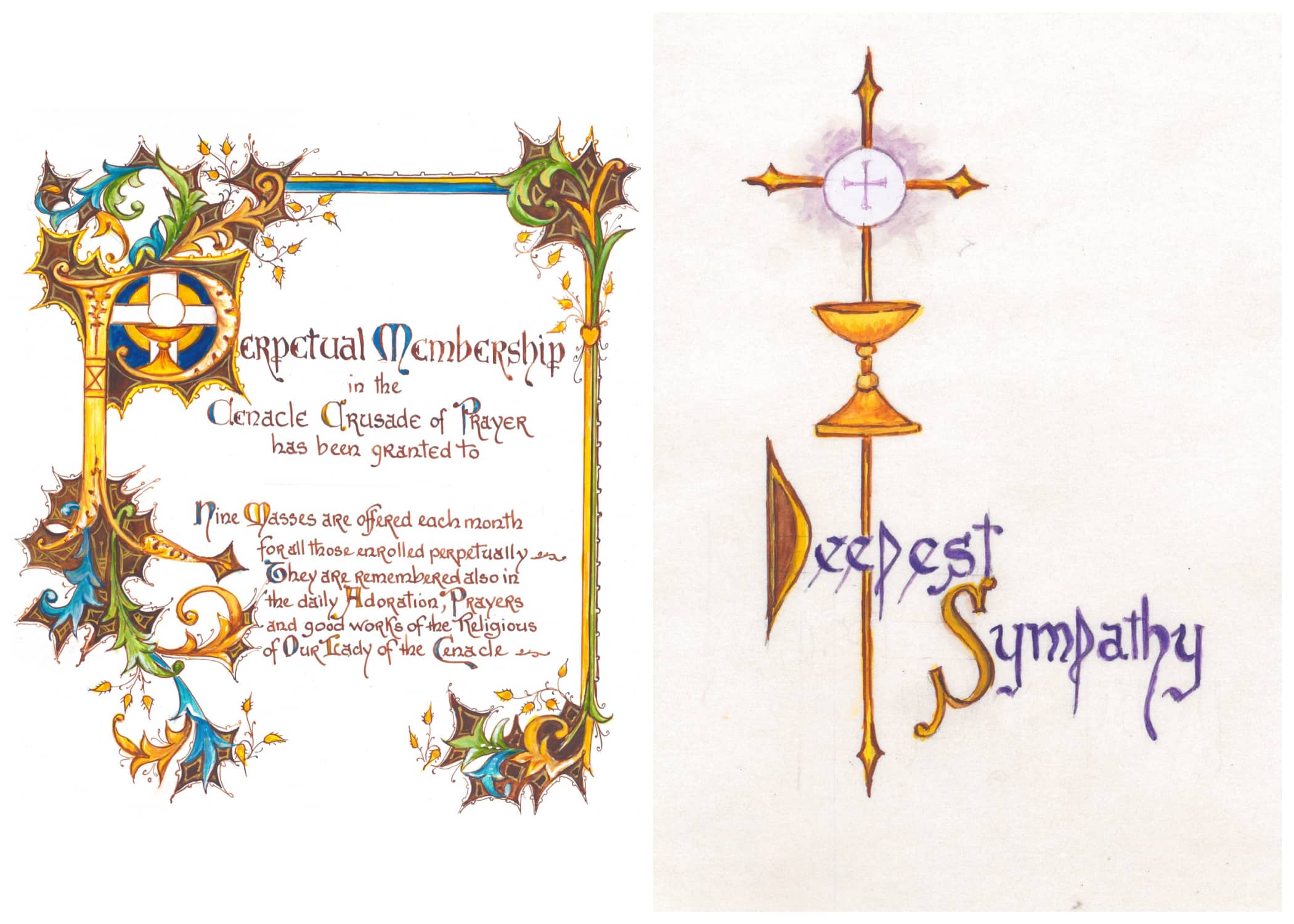
Two Crusade of Prayer cards: a perpetual membership card and a sympathy card
Source: NAP, C-II Prayer Enrollment Collection.
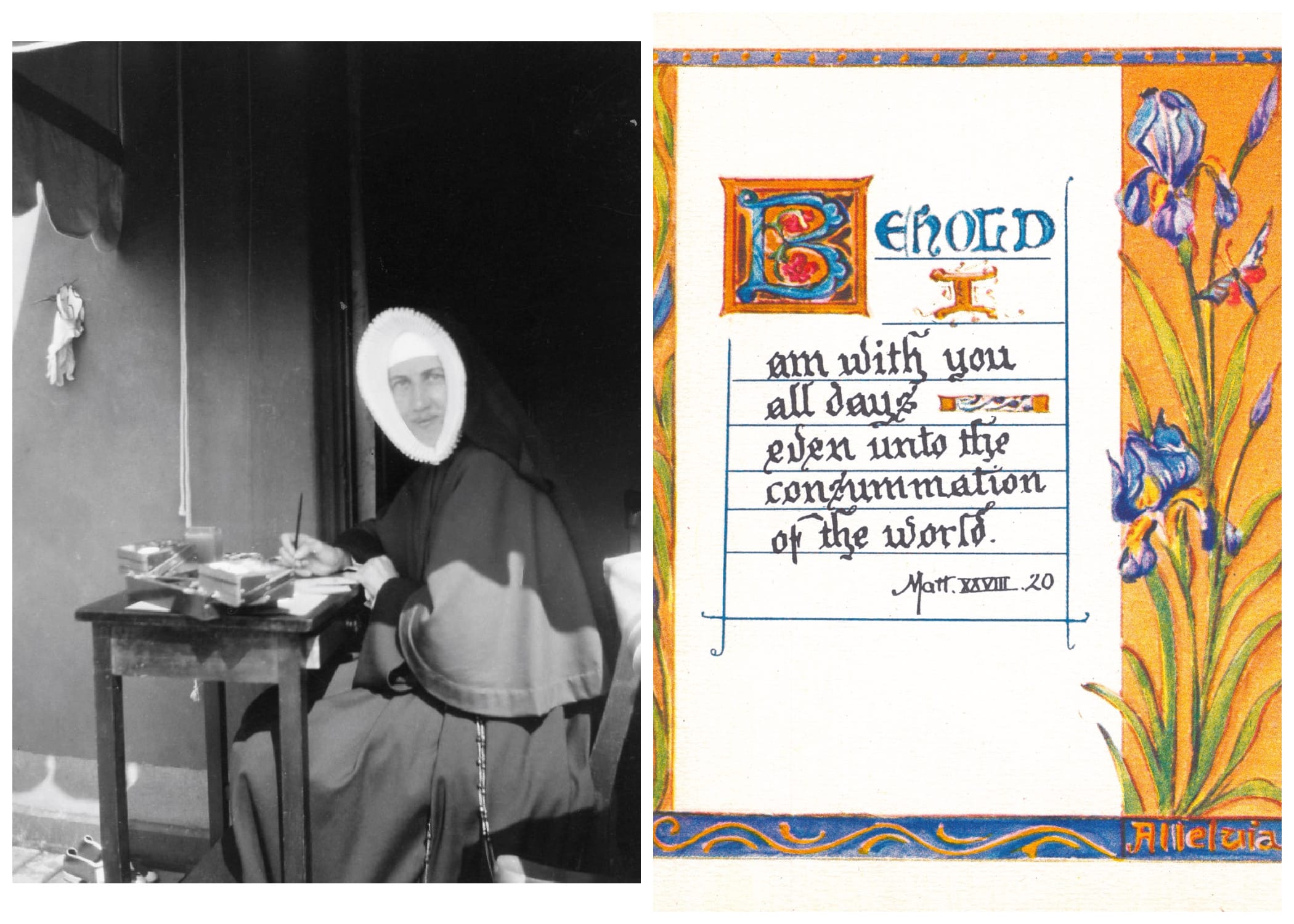
Sister Ida Barlow, r.c., and a Crusade prayer card she designed
Source: NAP, P-III Photograph Collection, PH5002_343 and C-II Prayer Enrollment Collection.
In North America, the Cenacle Sisters prayer card ministry began as the Crusade of Prayer and was founded by Mother Mary Shannon at the Boston Cenacle in 1928. At the time when Mother Shannon was inspired to create the Crusade of Prayer, the Boston Cenacle was in the midst of fundraising to pay off debt that the house had taken on in order to build a chapel and a new wing. Mother Shannon’s idea was to create attractive cards for those in need of prayer for various intentions.
Eventually all of the Cenacle foundations in North America included the Crusade of Prayer ministry, and it was accepted in other countries, such as Canada, Peru, England, New Zealand and the Philippines. In 1995, the name of the ministry was changed from Crusade of Prayer to Prayer Enrollments. Enrollment in the Cenacle prayer card ministry provides for the celebration of a monthly Mass, offered for all those enrolled and those who enroll them. Those enrolled are remembered in the daily prayer of the Sisters of the Cenacle and by the many friends of the Cenacle (Associates and Auxiliaries) who share in this ministry.
For more information: https://cenaclesisters.org/prayercards/. You can find a video about the ministry at the YouTube channel of the sisters of the North American Province: Celebrating 97 Years of the Cenacle Prayer Card Ministry.
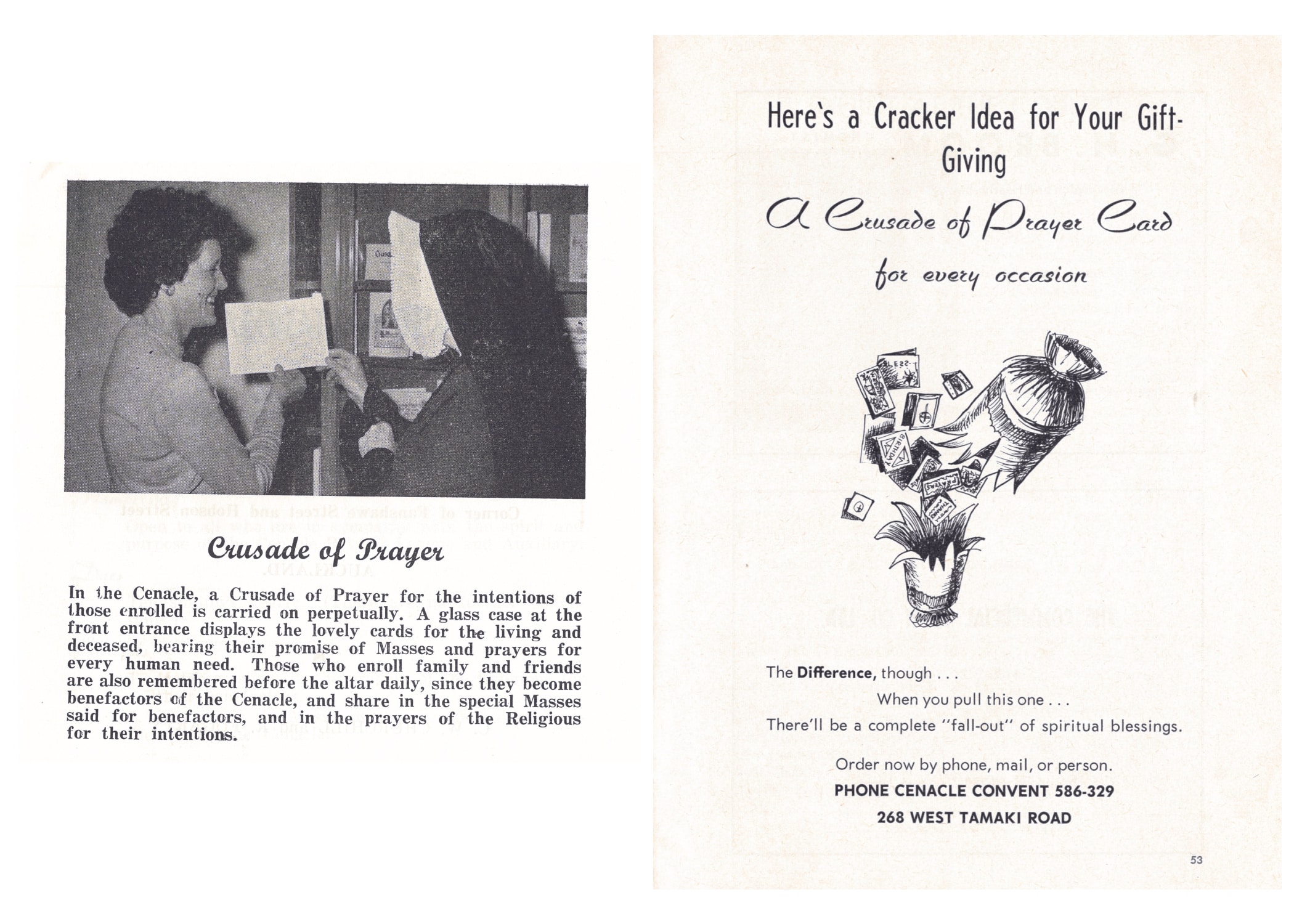
Crusade of Prayer advertisements in the New Zealand Cenacle newsletter, 1959 and 1963
Source: NAP, A-II New Zealand, Box 3.
The Cenacle newsletter was used to promote the prayer card ministry in Auckland (New Zealand), with two examples seen here The first advertisement from 1959 shows a retreatant and a sister admiring a prayer card taken from a glass case at the front entrance of the retreat house. The second advertisement from 1963 shows an illustration of a Christmas cracker where instead of candy and toys, prayer cards are the prizes. The text of the ad reads: “Here’s a cracker idea for your gift-giving. A Crusade of Prayer Card for every occasion. The difference though…when you pull this one…There’ll be a complete “fall-out” of spiritual blessings.”
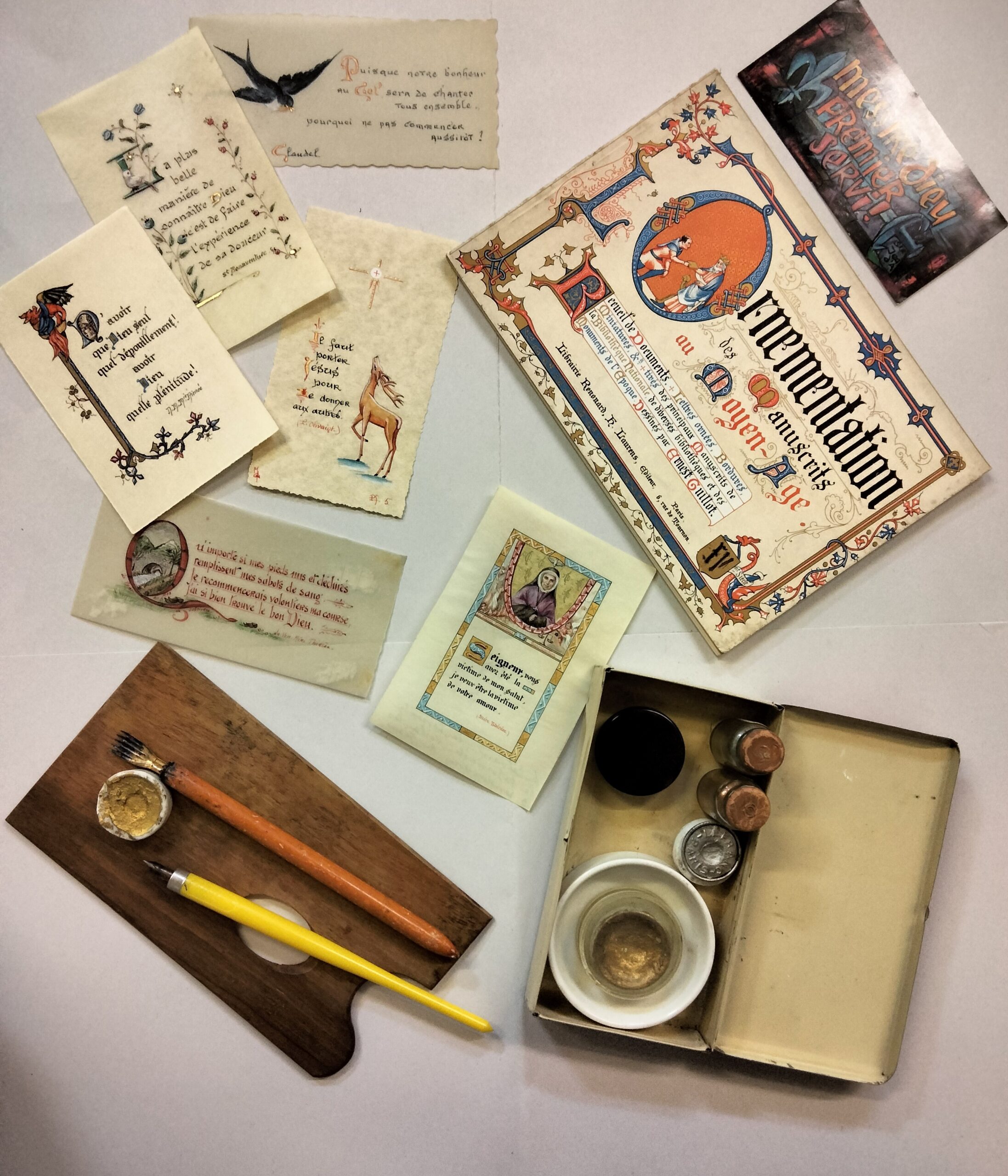
As early as the late 19th century, it was customary for the sisters to share cards marking important events: feast day wishes or jubilees. They made these themselves, using calligraphy to write a biblical verse or a quote from Mother Thérèse and illustrating them by copying or drawing inspiration from repertoires of illumination patterns.
In Rome, several Cenacle Sisters practiced illumination (Mothers Parchappe, Mellier, Hill, Lejeune, etc.). Some works of illumination were created for profit to decorate requests for Apostolic Blessings from the Holy Father, family souvenir books, prayers, etc. The general archives preserve the models that were presented to potential clients. The Congregation’s own documents also benefited from this expertise in illumination and calligraphy, such as the handwritten Ceremonials specific to the Congregation.
Mother Parchappe is the best known of these sisters. Josèphe Parchappe was born in Buenos Aires in 1829. She entered the Congregation in France in 1863. After living in several houses, she was sent to Rome in 1892, then to the house at Monte Mario, where she died in 1908. Her menology—a short biography written after her death—speaks of her talent:
Mother Parchappe was very artistic and had a good talent for painting. She cultivated it, perfected it, she excelled in it. She excelled especially in ornamental painting and all kinds of illuminations. It was like she had the genius of antiquity. As a young religious she had the honour of helping Reverend Mother Marie Aimée to do the illuminations in the Livre d’Or des Bienfaiteurs de la Basilique de St Martin de Tours. In her later years her consummate talent made her presence a true blessing for the house she was in, and painting became like a second vocation for her.
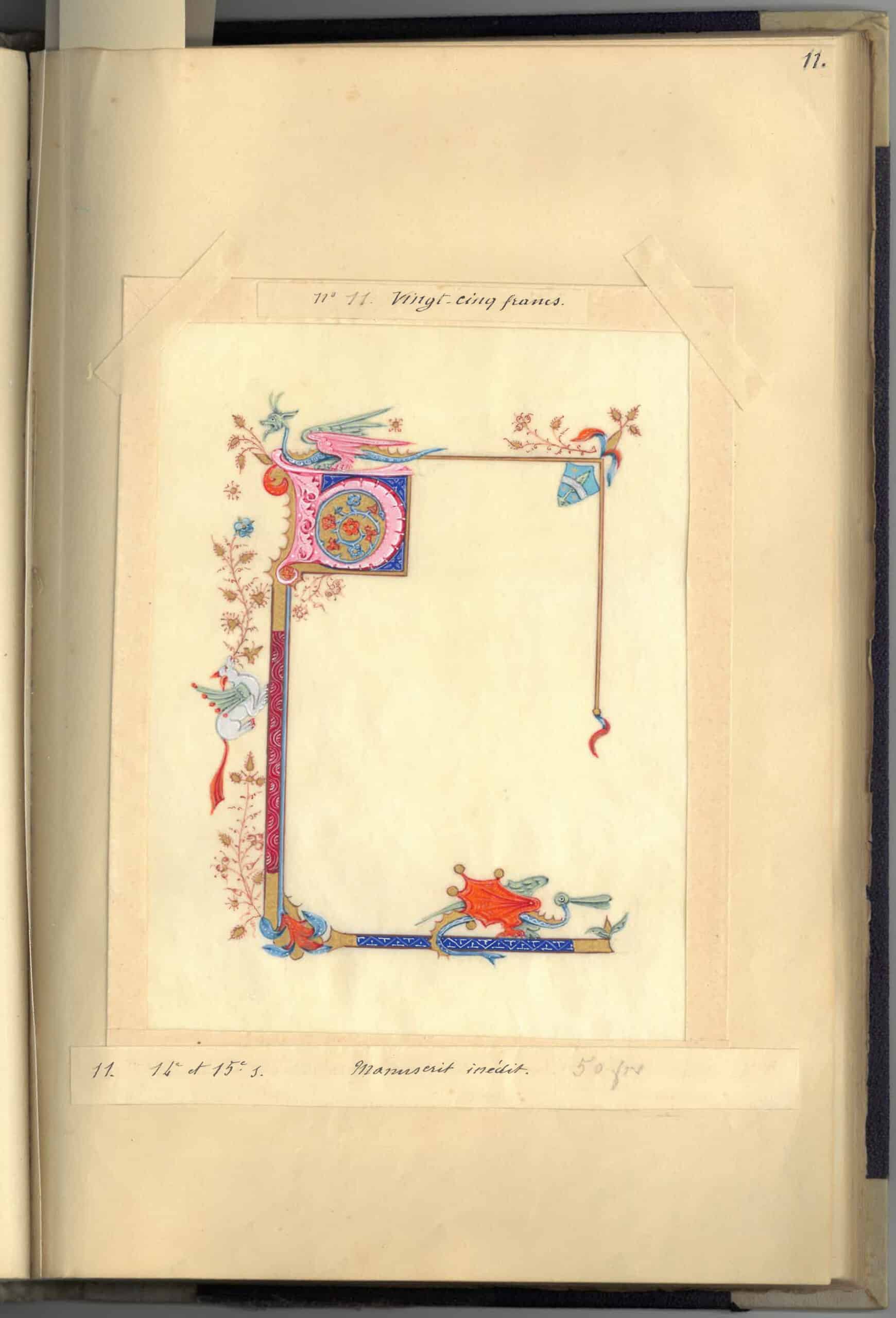
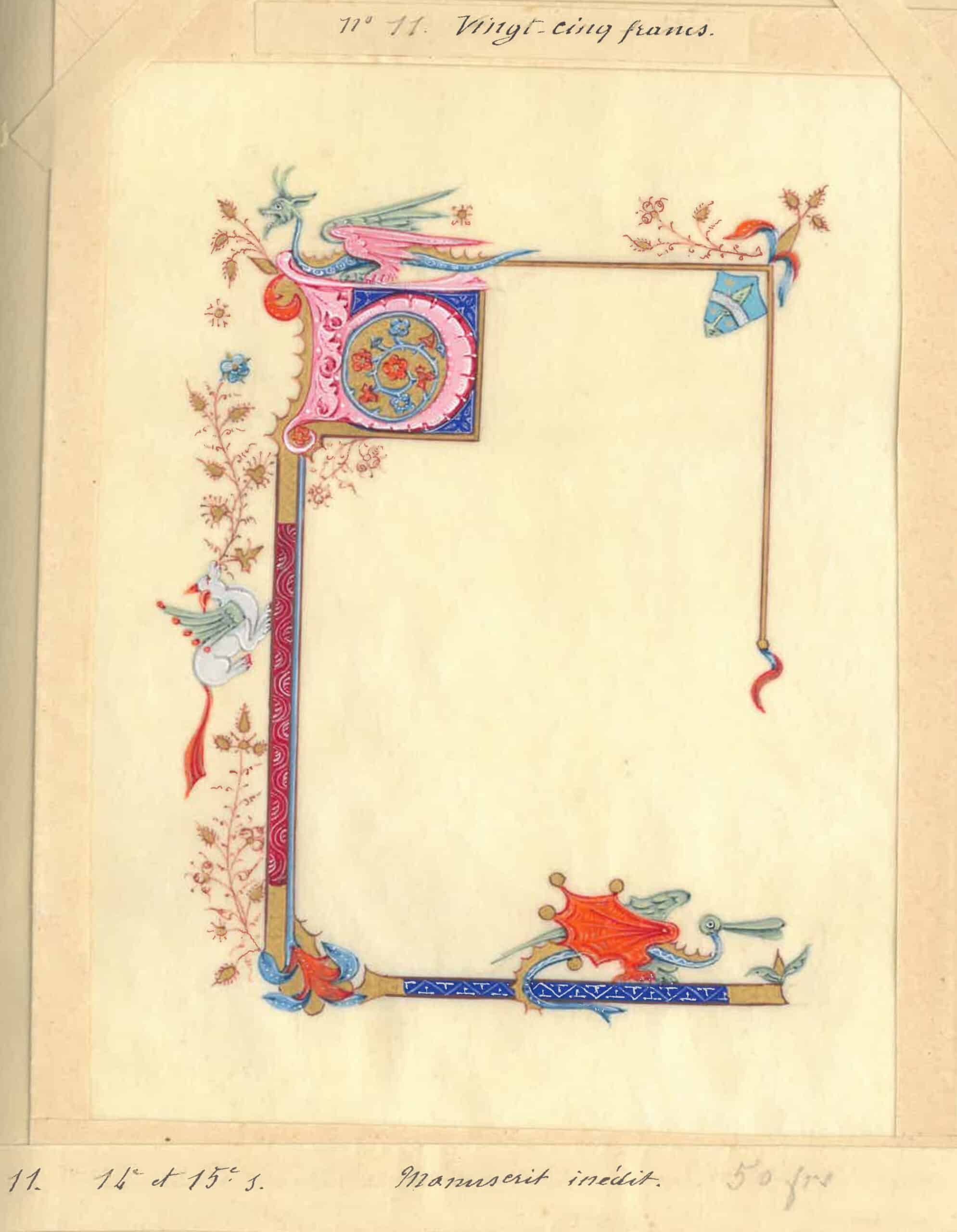
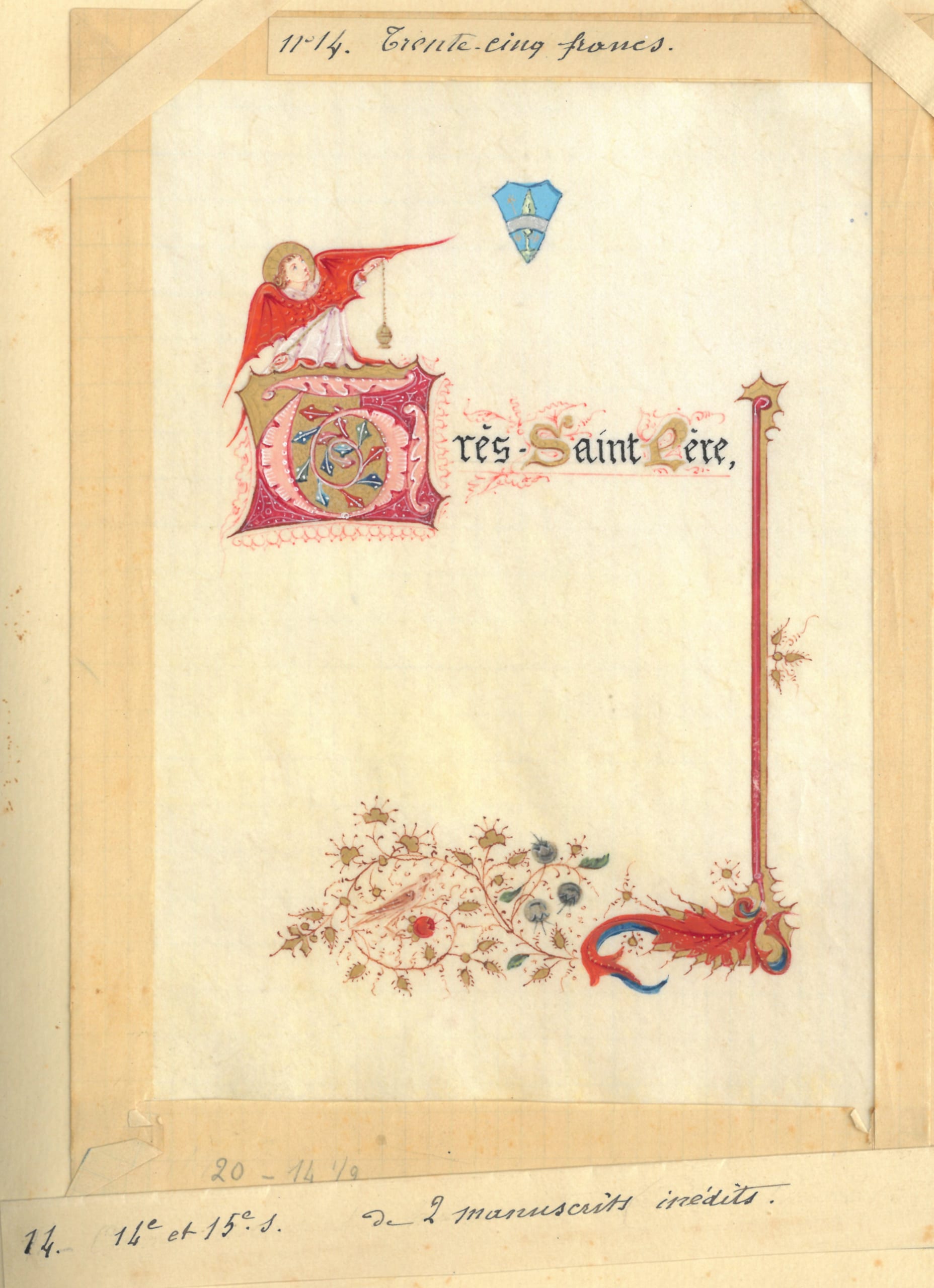
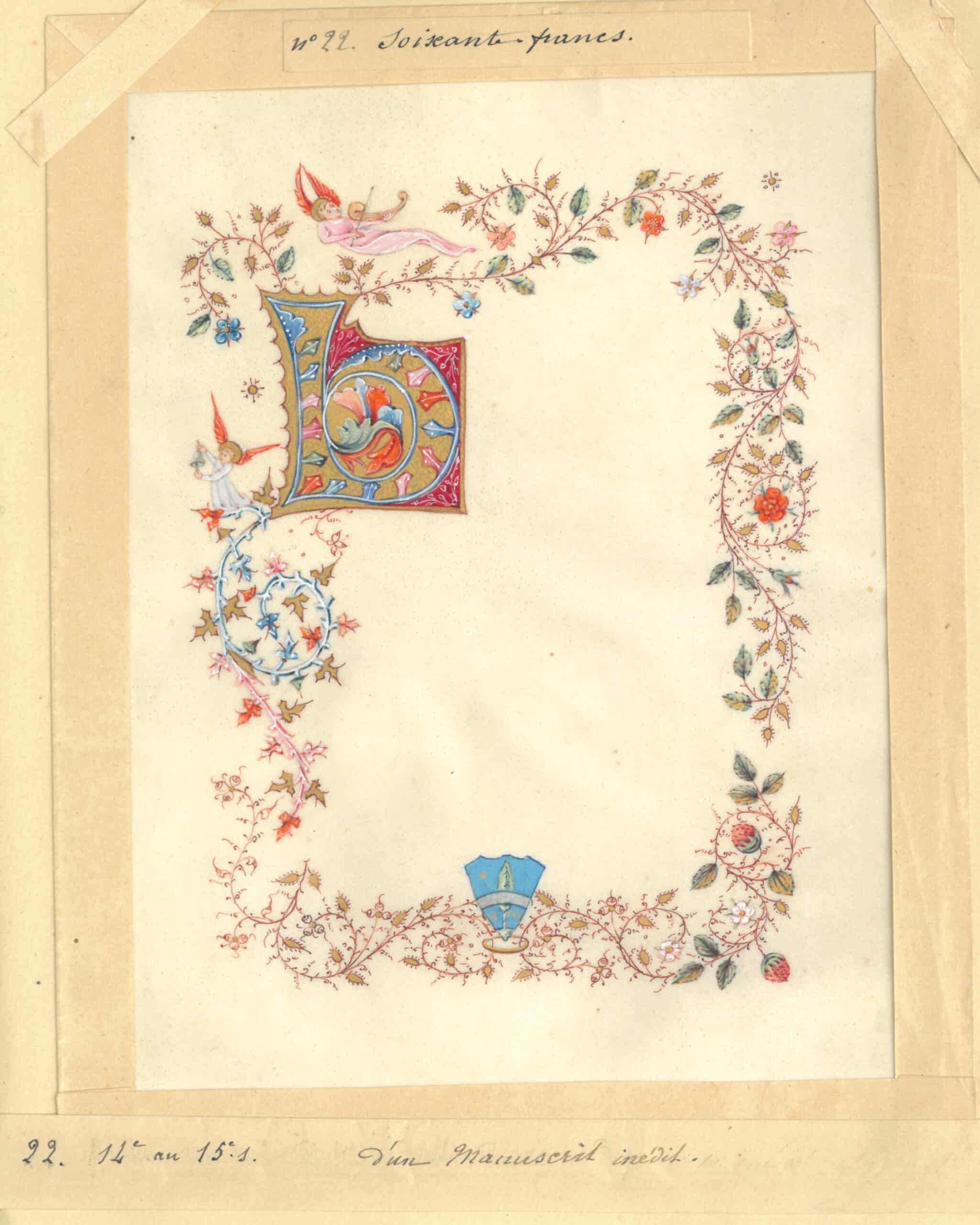
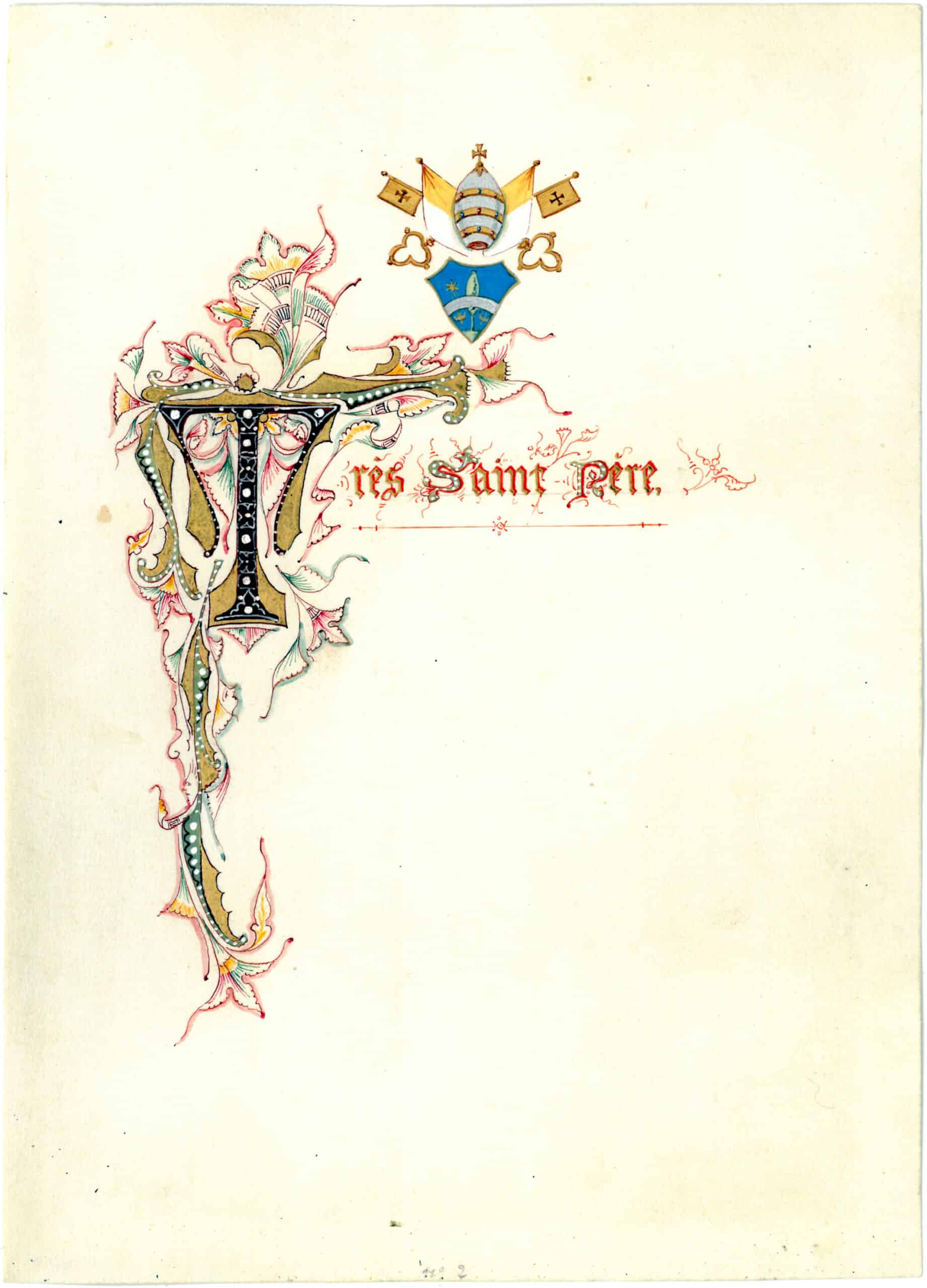
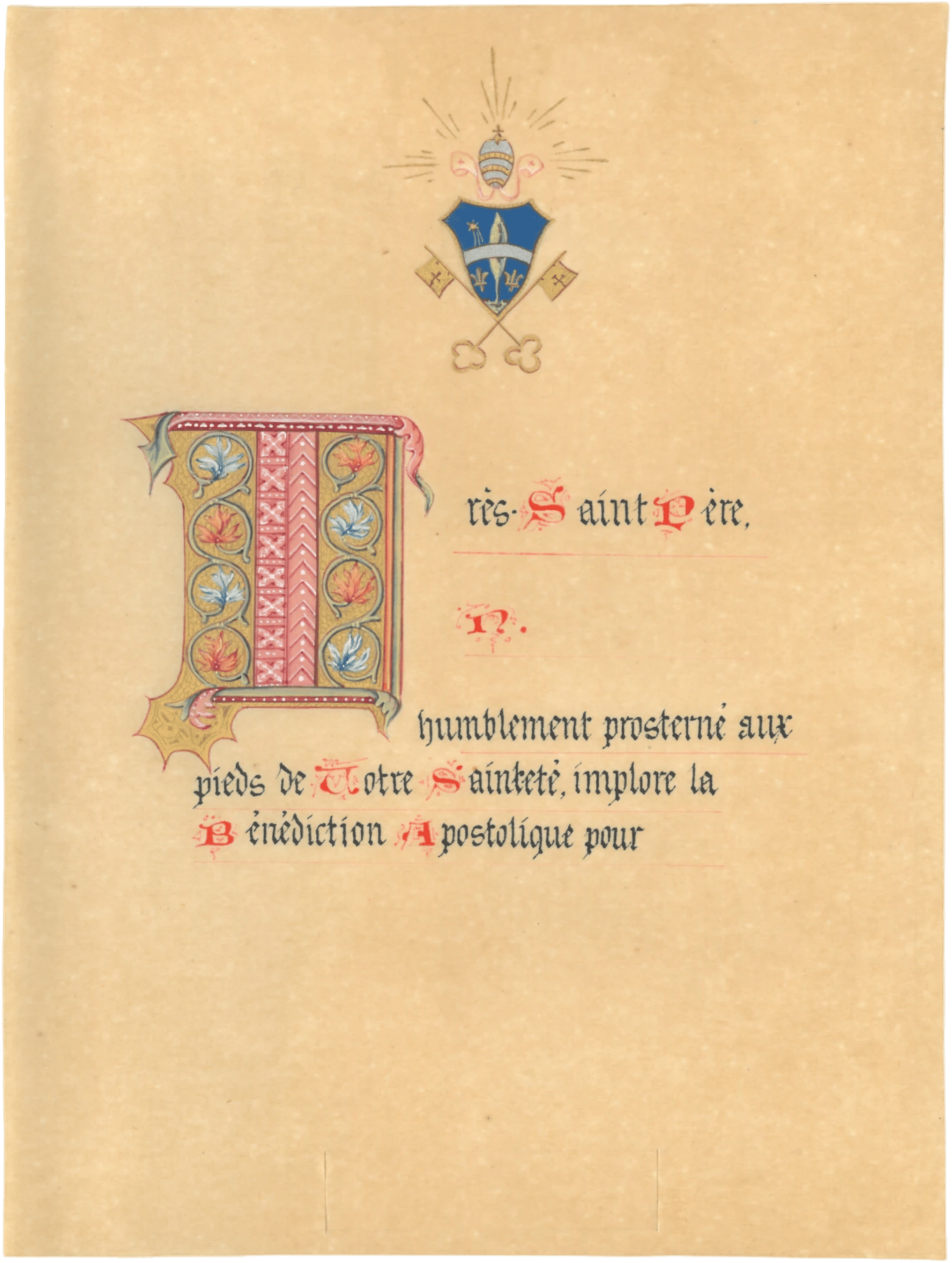
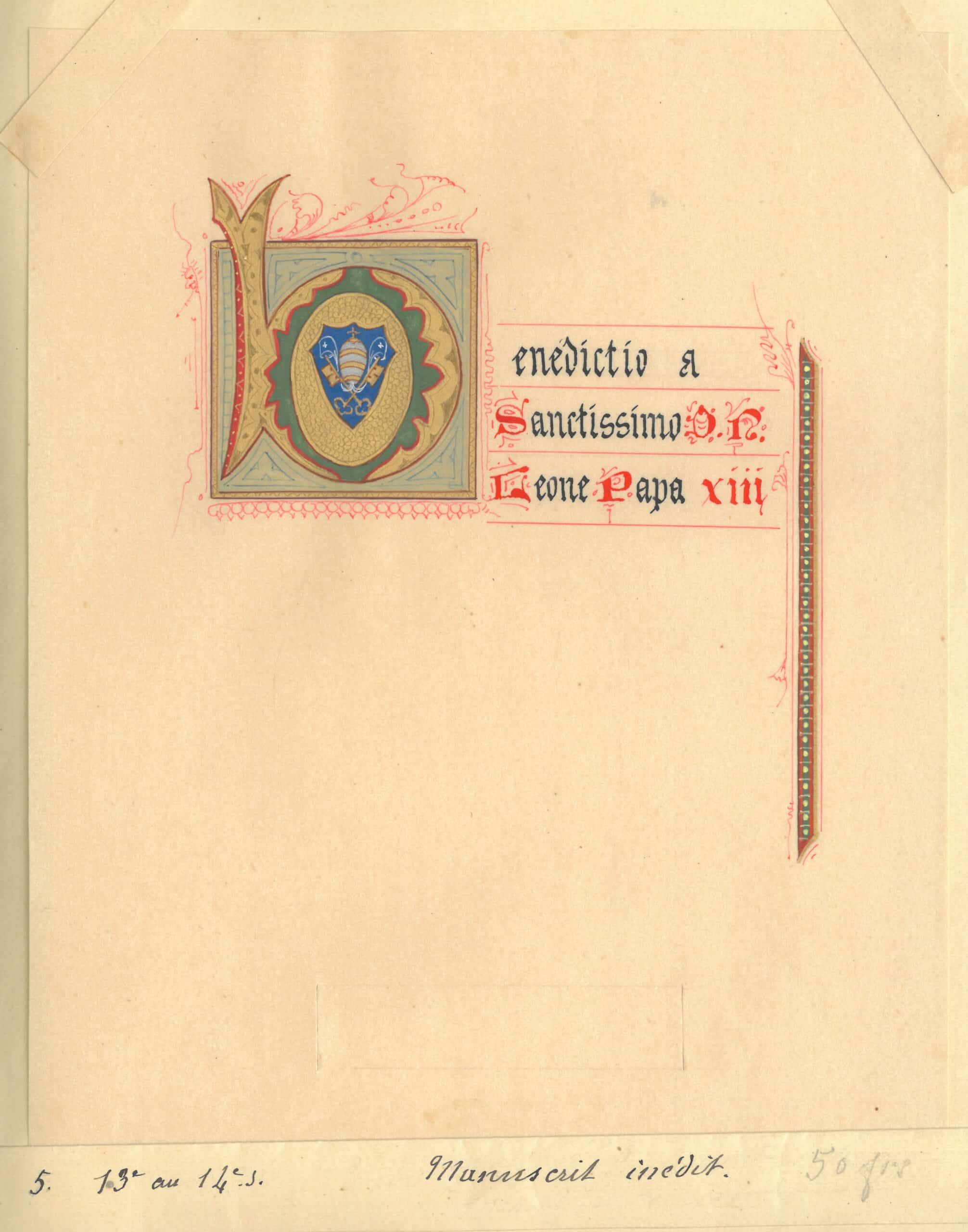
Excerpts from an illumination catalog [early 20th century].
Source : MM.