
Treasures
from the Archives
Our Lady of the Cenacle
Treasures
from the Archives
Our Lady of the Cenacle
From the very beginning, the Cenacle’s missionary spirit has driven the Sisters to step outside their doors to “make Jesus Christ known and loved.” To reach the people living in the Malagasy bush, their primary apostolic tool remains their presence. In these regions where time is measured in miles traveled on foot or by bush taxi, the Sisters travel from place to place to reach the “peripheries” so dear to Pope Francis, where the thirst for God meets the simplicity of hospitality.
In these regions, geography dictates the nature of the apostolate. In Madagascar, during the second half of the 20th century, a single missionary might have been responsible for 50 to 80 “bush stations” scattered across hundreds of kilometers of poorly accessible trails.
Faced with a shortage of clergy, the Church had to develop a new approach, based on laypeople. The catechist is the pillar of the local Christian community. They are the ones who live locally, teach, baptize in emergencies, and gather the community on Sundays for prayer in the absence of a priest.
In this context, the Cenacle Sisters have had to adapt their ministry.
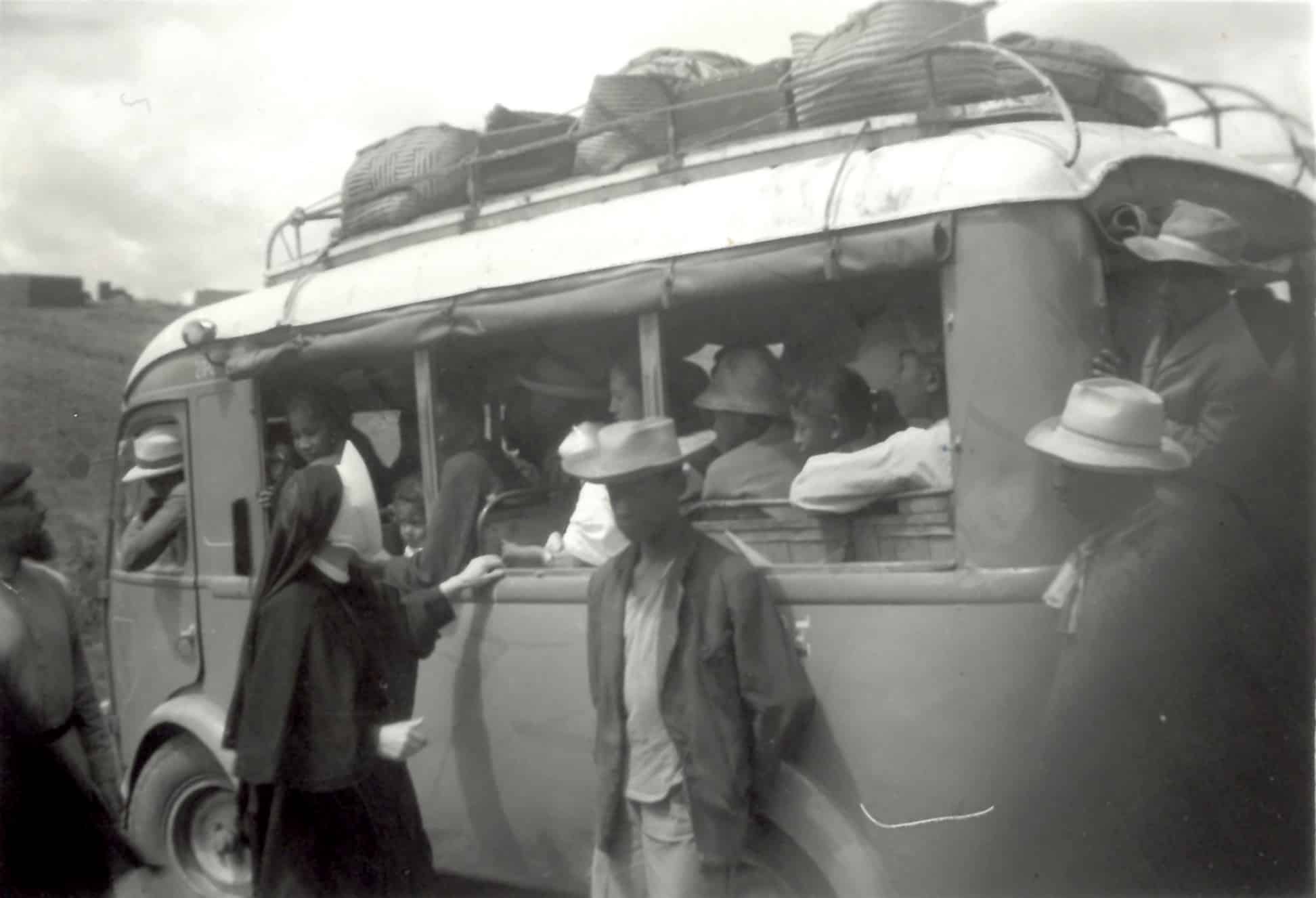
Bush taxi (taxi-brousse), the means of transportation used by the Sisters of Antananarivo to reach places accessible by car. Source: MM, 3S 3-18. Detail from a 1968 General Chapter panel showing the Sisters’ ministry in Madagascar.
This is a ministry of proximity to the people of the countryside; a mission that leads us to encounter others. Traveling into the “bush” is not always easy due to the poor condition of the secondary roads. Taking a bush taxi can sometimes take four to five hours, even to travel only a hundred kilometers (about sixty miles). On top of that, concerns about safety follow us throughout the journey. But once we arrive at the mission site, the joy of meeting the people and the warm welcome we receive give us the strength and courage to begin our ministry, even when we are still exhausted from the road.
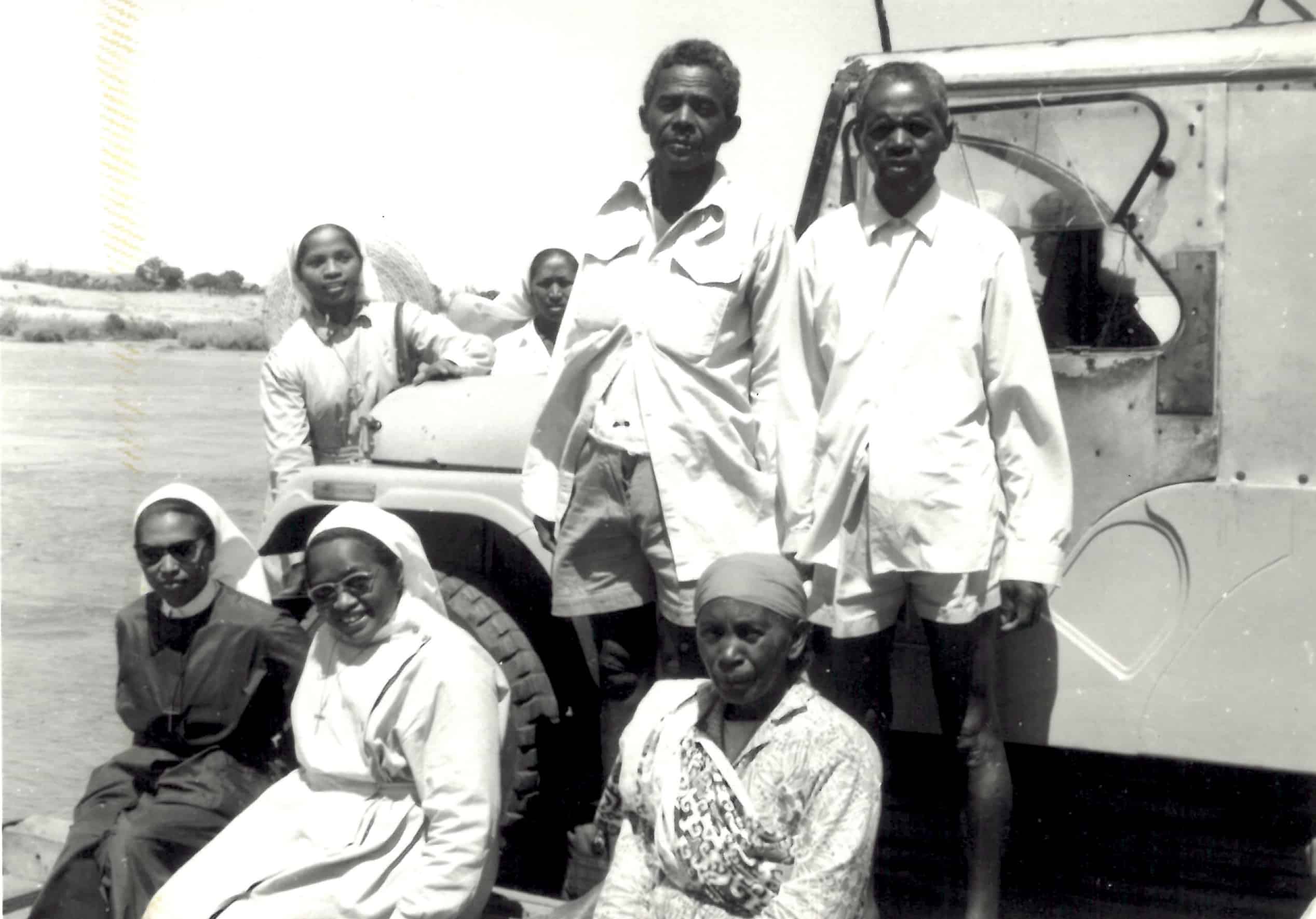
Sisters at sea on their way to a mission site. Source: MM, 3S 3-18a.
In the bush, the Sisters’ apostolate focuses on preparing people for the sacraments (particularly First Communion and marriage), as well as leading retreats and spiritual gatherings for groups.
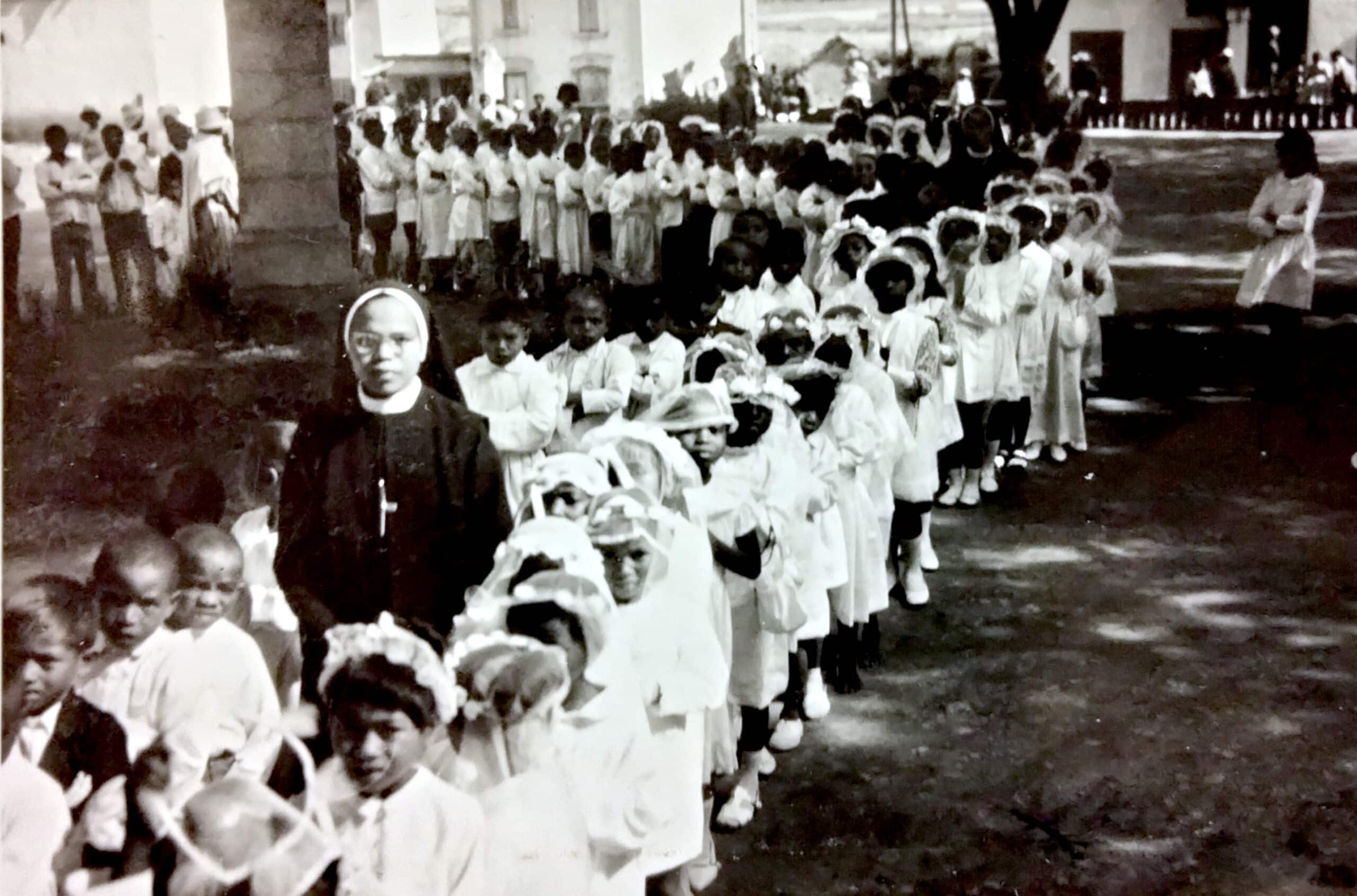
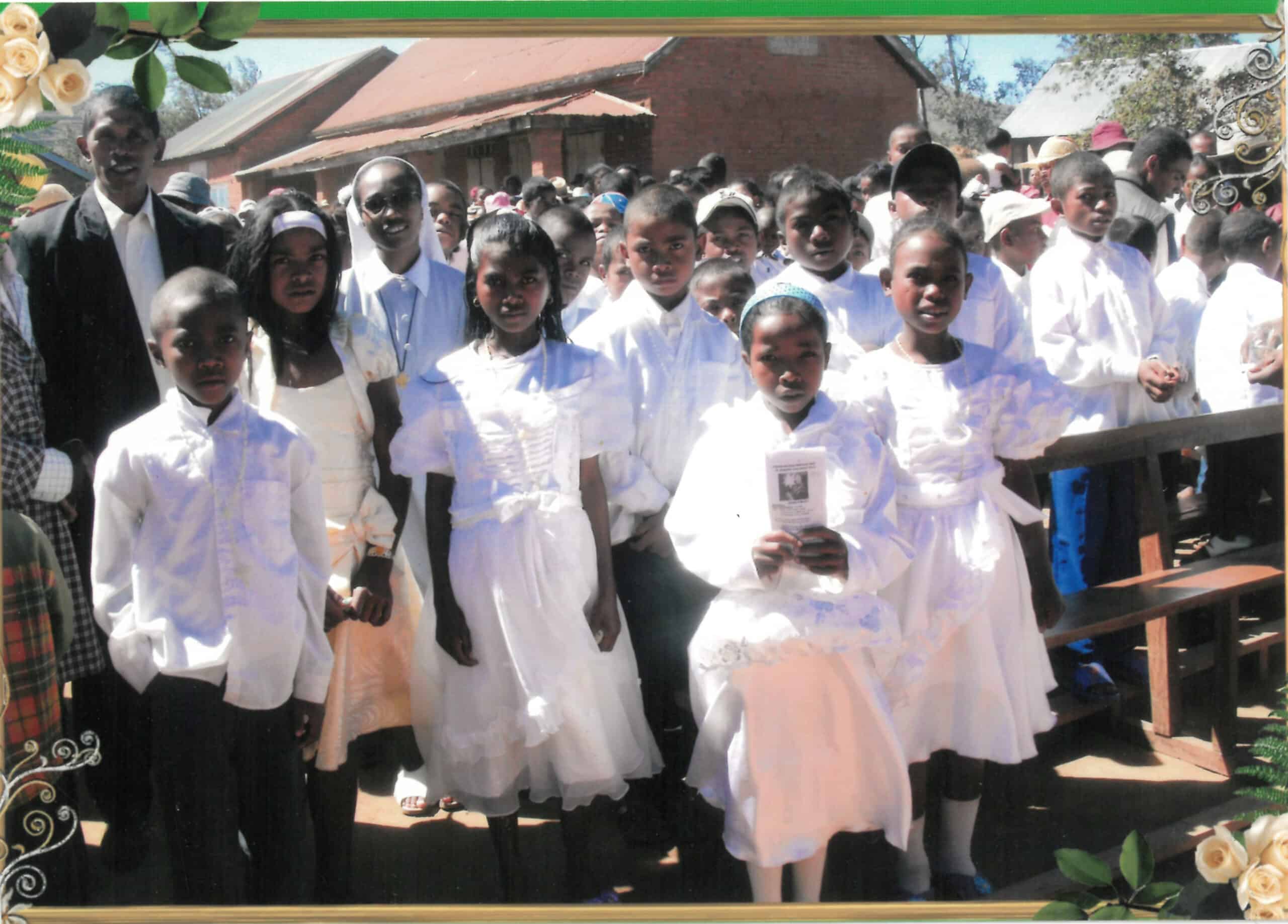
First communicants in the bush. Left: with Sr. Justine [early 1970s] (Source: ACF). Right: in 2014 at the Vohibe Center, a rural village (Source: Provincial Archives of Madagascar).
Rural ministry requires an understanding of local reality and culture so that the message is well received and bears fruit in the lives of those it serves. One of the challenges sometimes encountered is illiteracy. It is therefore necessary to adapt our preparation: we often use symbols related to daily village life or the reality of the local Church.
What is striking is the motivation of the people who travel miles for these spiritual programs: retreats for children, youth, and adults preparing for various sacraments, as well as CLC (Christian Life Community) groups.
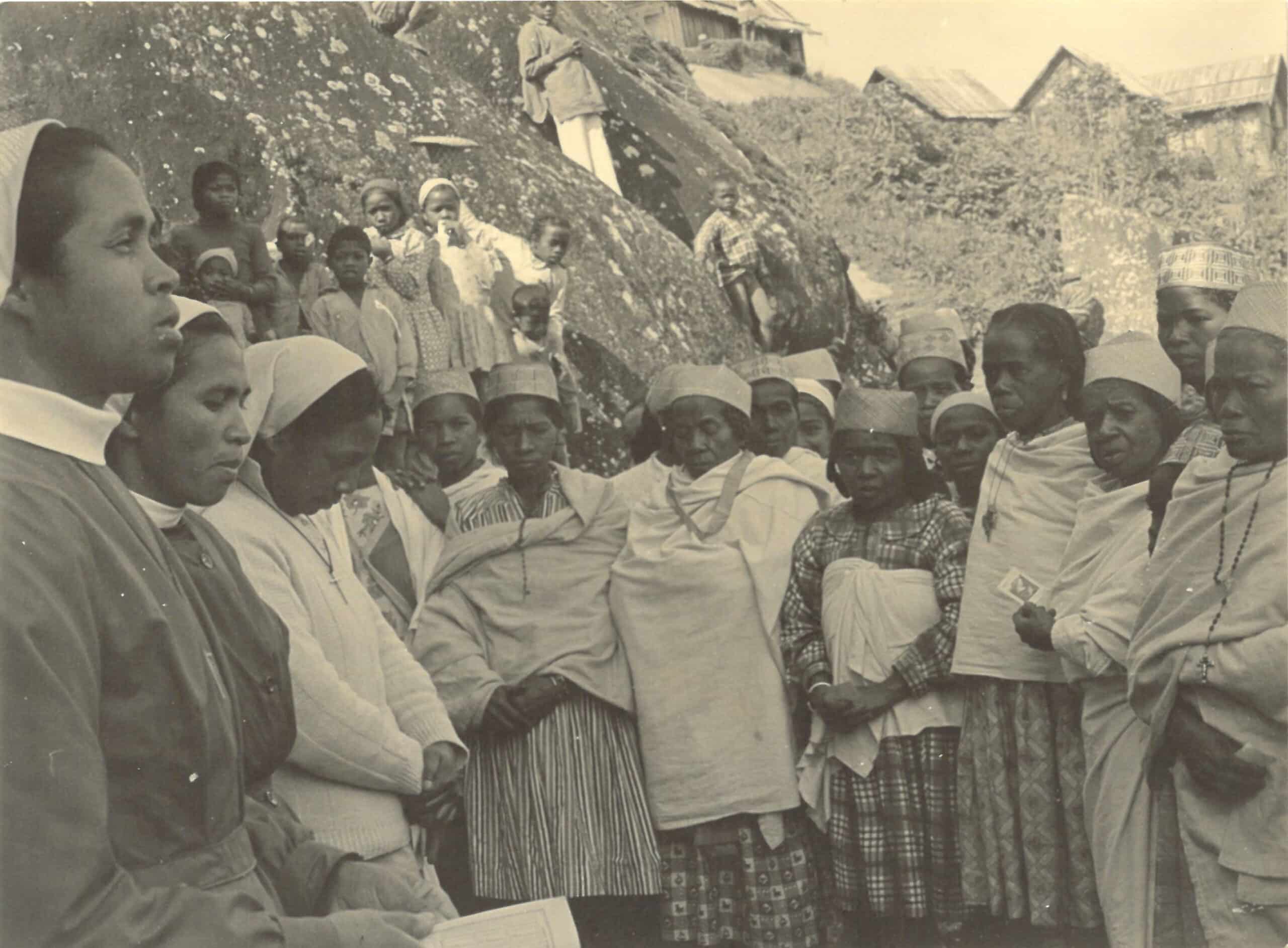
Prayer time in Ambohimanarivo in the Zafimaniry region (Ambositra) with CLC women wearing the traditional regional hat [1970s].
Source: MM, 3S 3-18b.
The bush tours also aim to train leaders for movements such as the EYM (Eucharistic Youth Movement), catechists, rural youth, and other movements within the local Church.
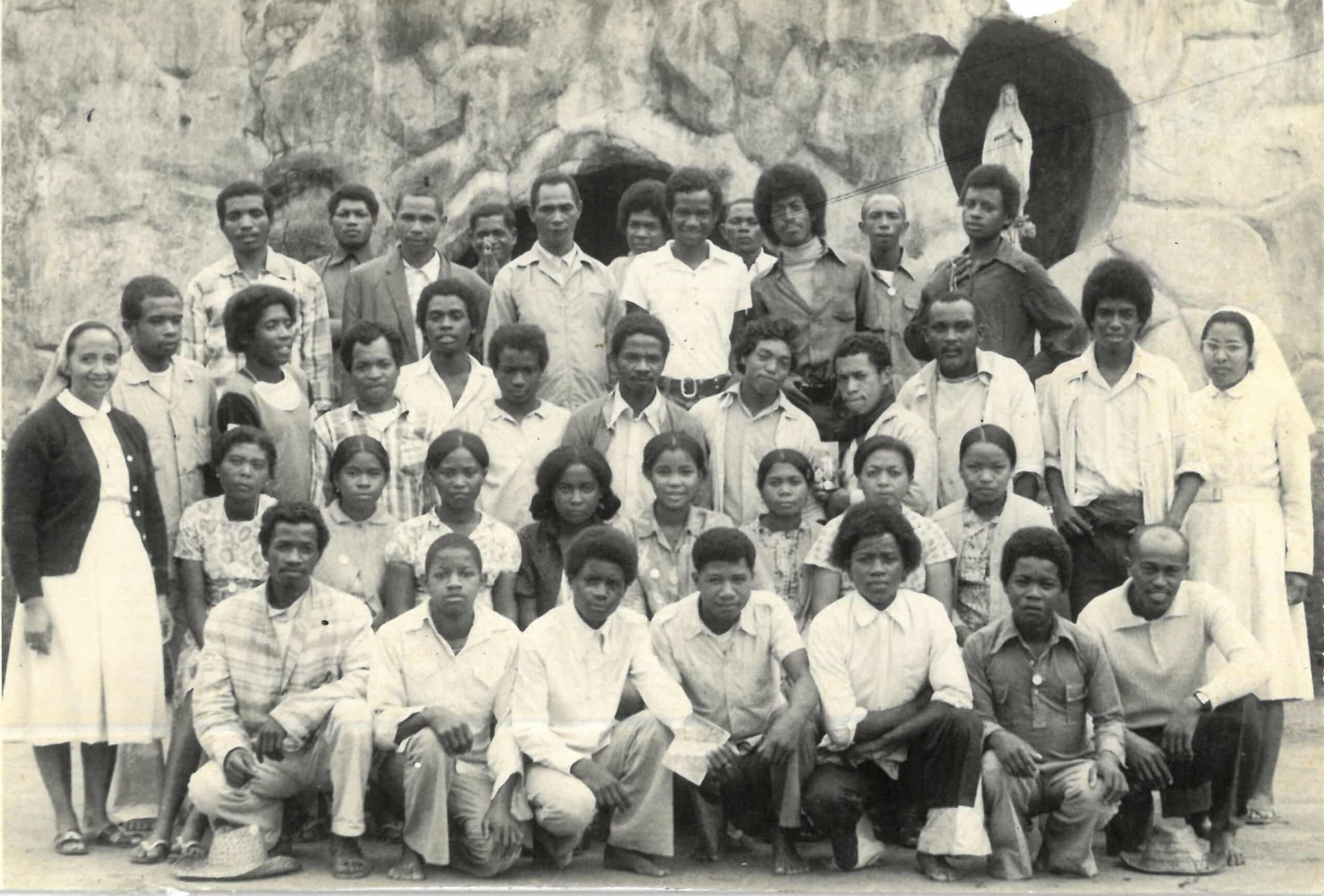
A group during a training session for lay leaders (Catechists) from Moramanga, Anjiro, and Andasibe (three rural villages) [1970s]. Source: Provincial Archives of Madagascar.
Catechists play a vital role in these isolated rural areas. They nearly stand in for the priests, who can visit only rarely. They lead Sunday celebrations without a priest, prepare people for the sacraments, animate the spiritual life of the local community, and, along with others, teach the catechism.
Throughout their history, the Sisters of the Cenacle have trained Catechists within Diocesan Training Schools for Catechists (Écoles Normales des Catéchistes) in Ambohipo, Fianarantsoa, Farafangana, Ambanja, Tolagnaro (Fort-Dauphin), and Morondava.
The Sisters’ mission is to accompany Catechists toward a better understanding of their responsibilities so they may fully embrace their role within the Church.
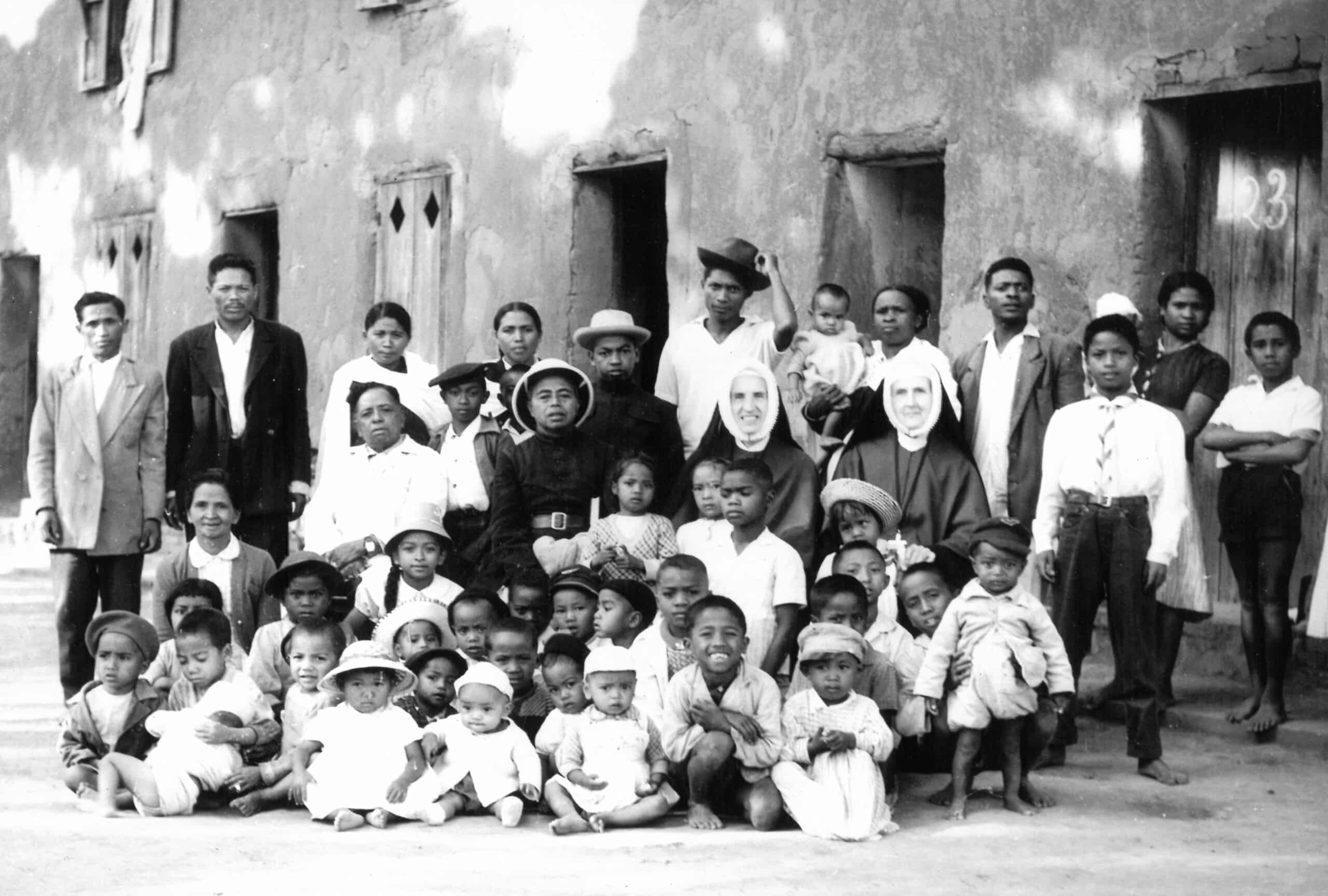
“A group of students before graduation and departure to their districts,” with their families, at the Fianarantsoa – Andriamboasary Training School for Catechists [early 1960s].
The task is not easy. Catechists are respected figures in their villages. Many are farmers who often have only a primary school education. Some are illiterate before attending the catechist training school. Helping them, therefore, requires a significant investment of time from the Sisters.
There are also cultural obstacles. For example, the marital status of some catechists (non-religious unions, polygamy) sometimes creates tension with the requirements of the apostolate, in a context where rural populations remain deeply influenced by ancestral customs.
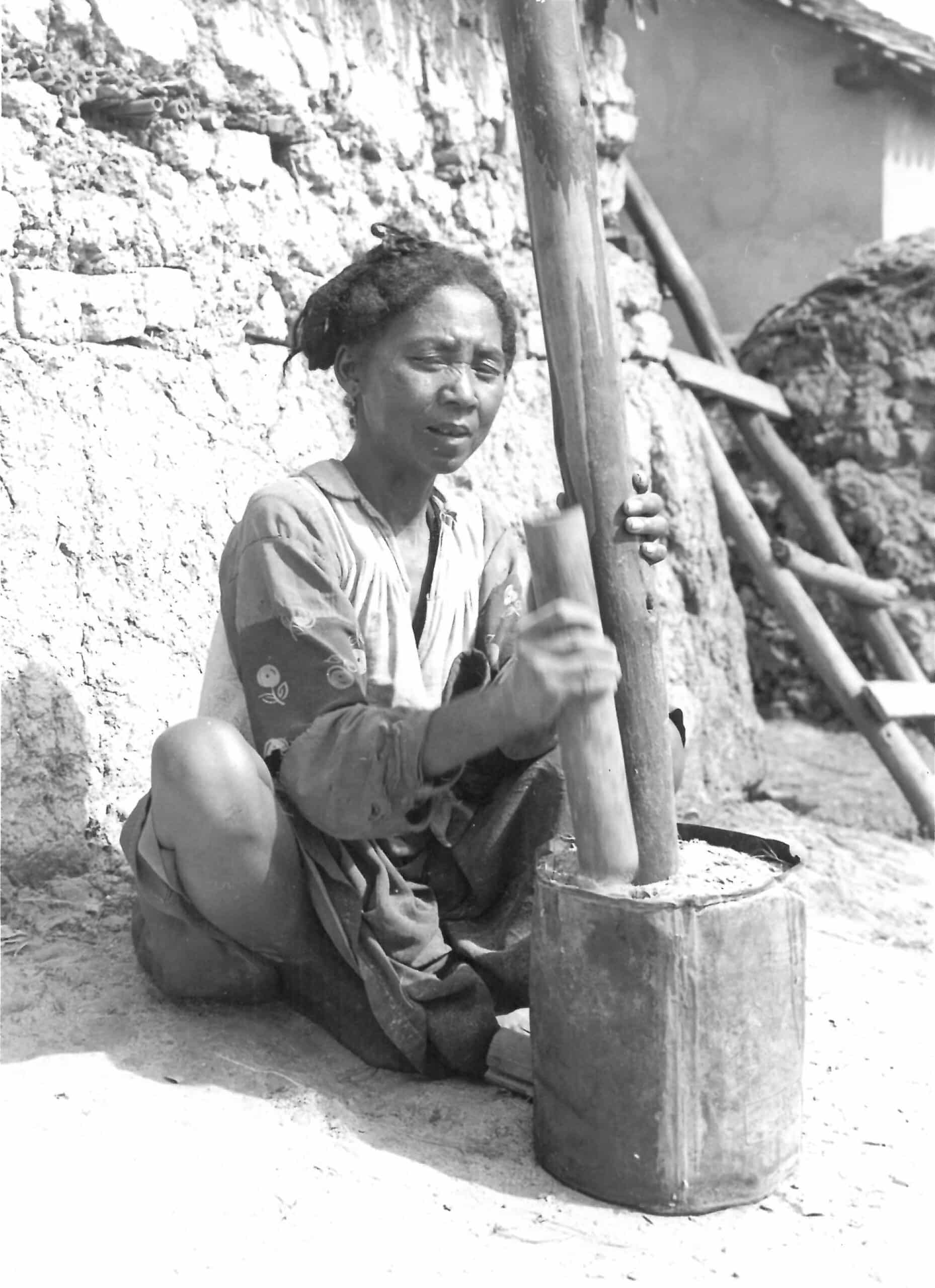
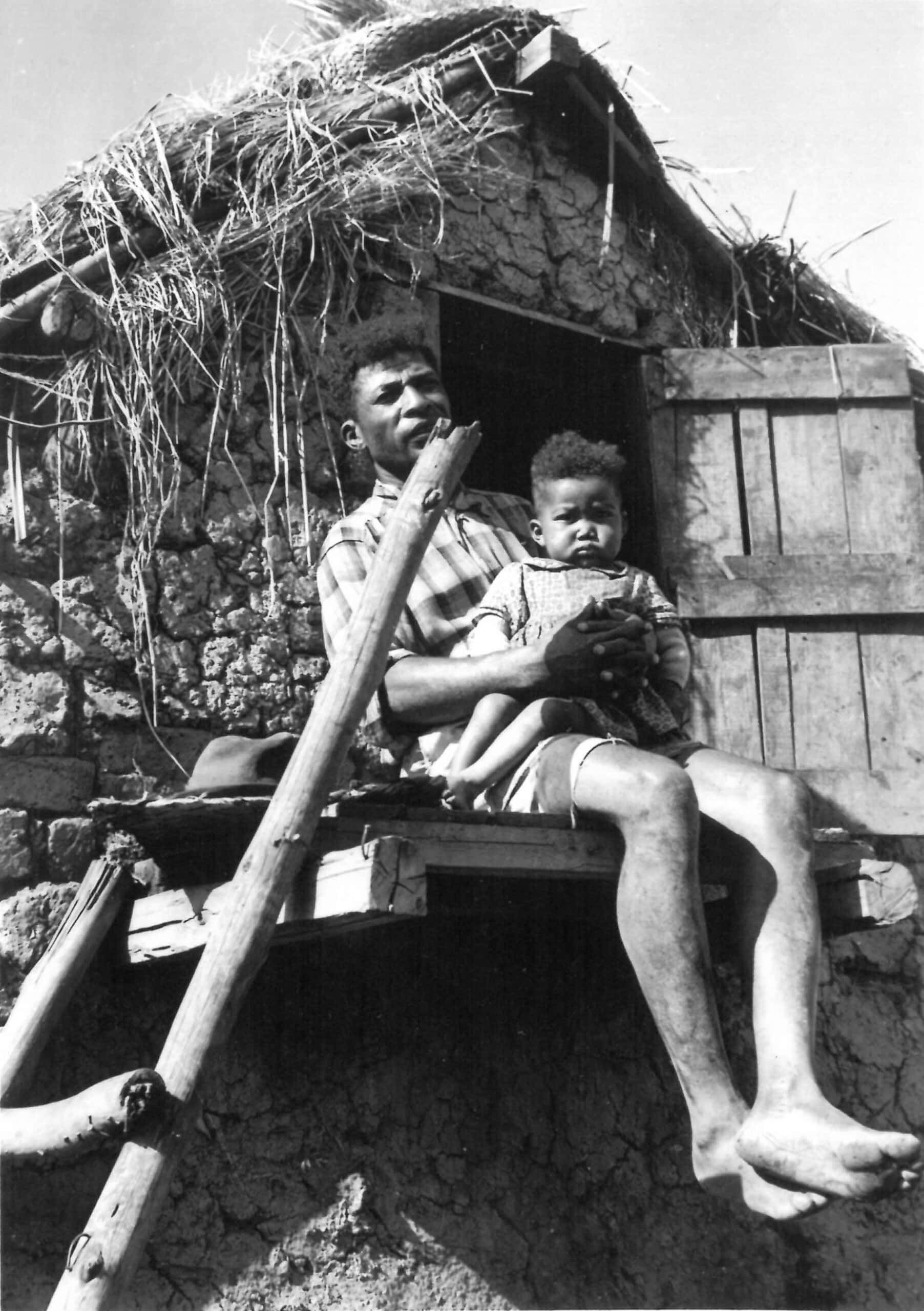
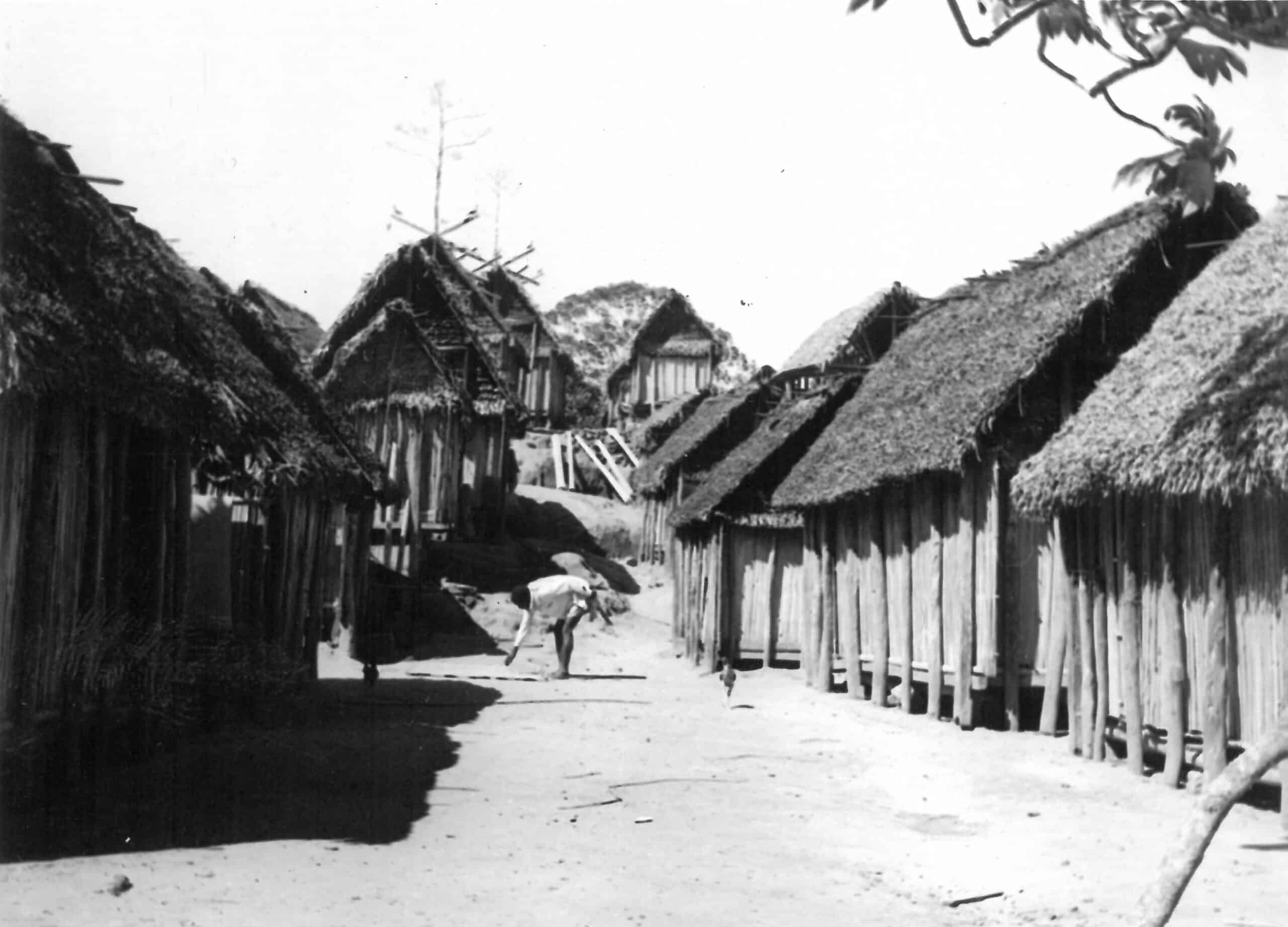
Rural villages with typical dwellings (in the Central Highlands on the left; in a coastal region on the right) [1962]. Source: MM, 3S 3-18b.
Finally, the Sisters witness the precariousness of life in these areas. The spirit of service and the selfless commitment expected of Catechists clash with a harsh material reality: substandard housing and uncertain subsistence make even the smallest health problem an insurmountable financial burden.
Accompanying them is therefore not only spiritual and pedagogical. The Sisters are also called upon for social service. For instance, in Ambohipo, during the training school’s vacations, the Sisters organized sessions in family management and home economics.
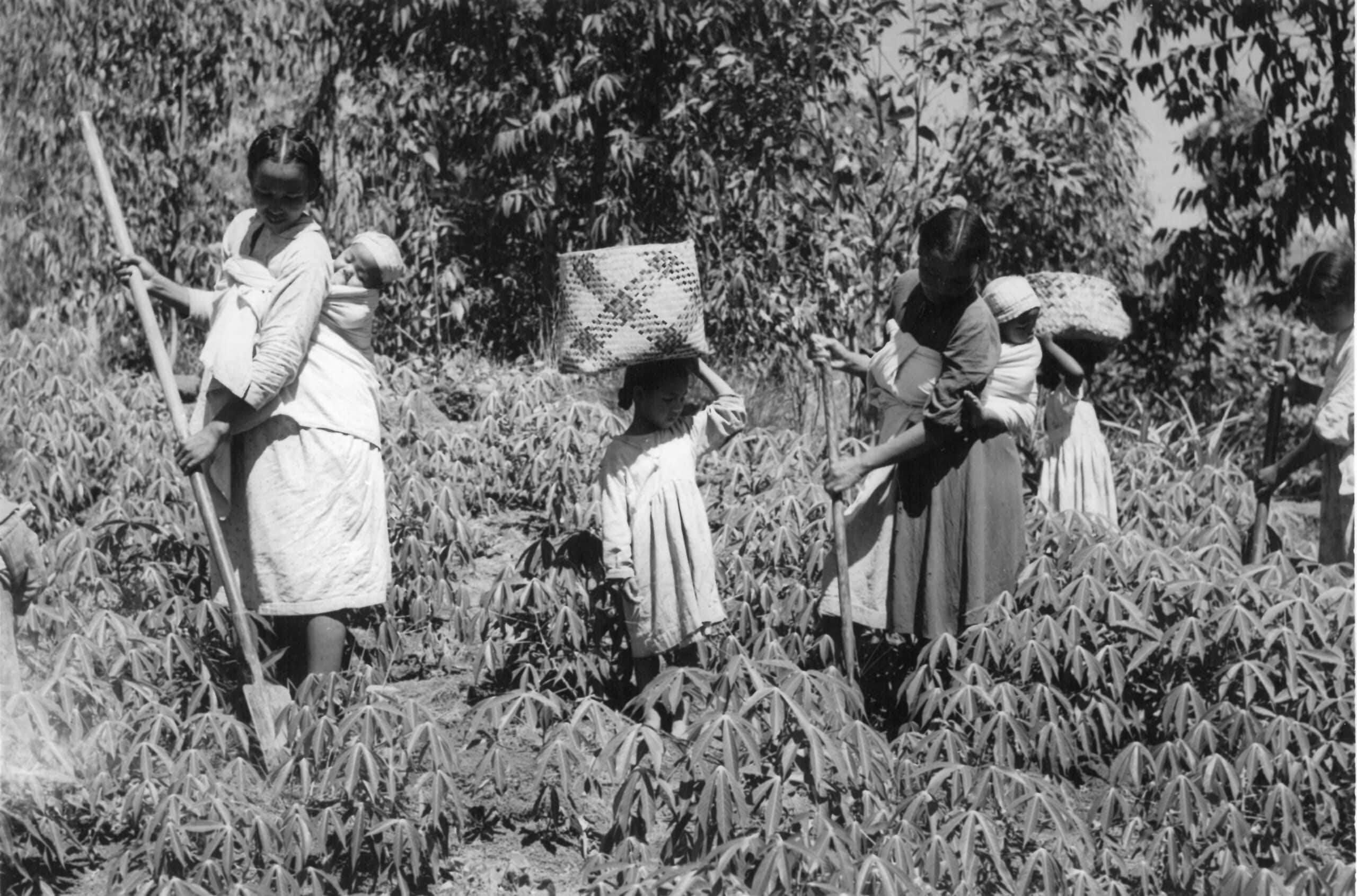
“Women learn about housework and gardening” at the Ambohipo Training School for Catechists. Source: MM, 3S 3-18c.
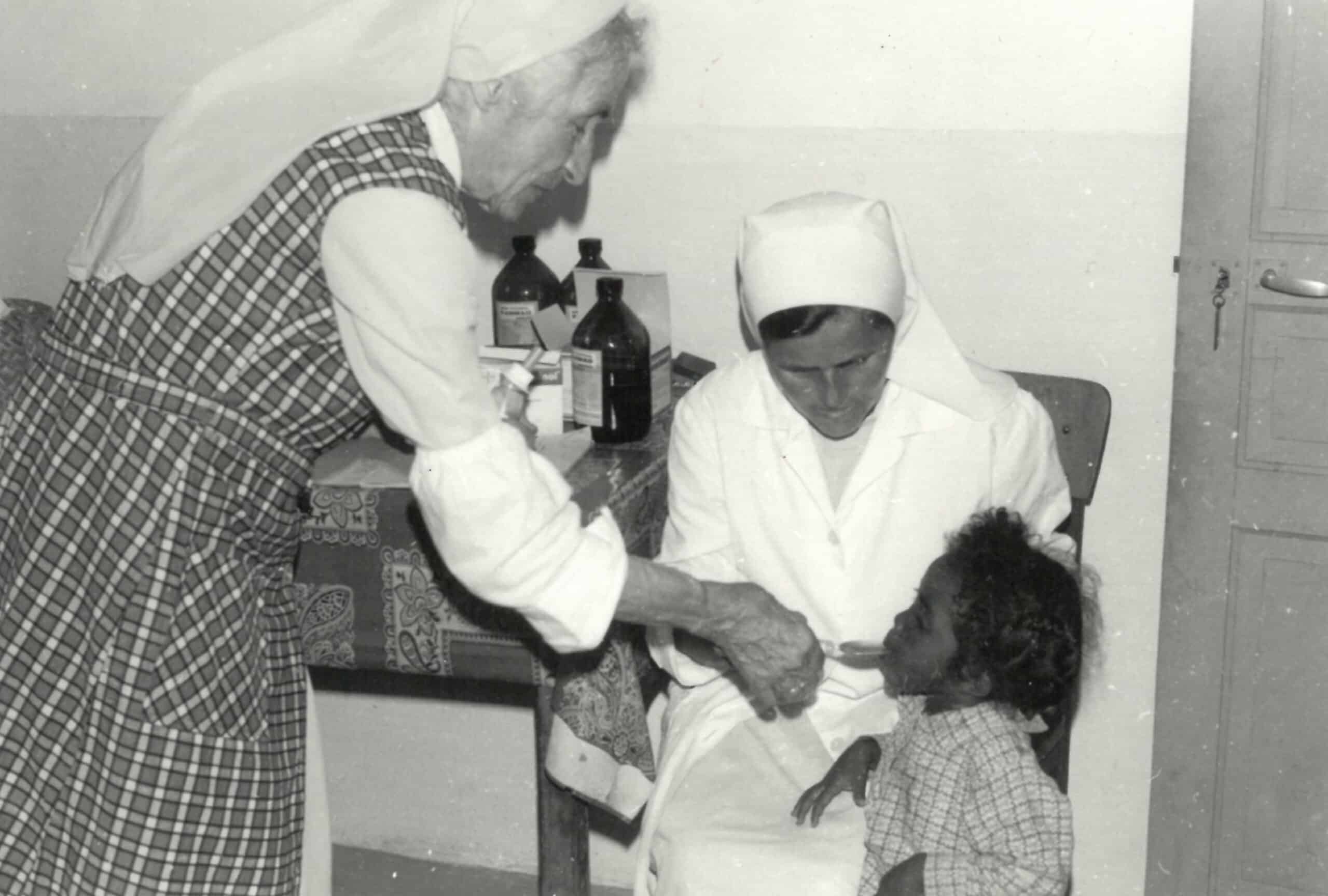
Two Sisters give medicine to a child in Fianarantsoa in 1982. Source: MM, 3S 3-18b.
In Fianarantsoa as well, the Sisters had to care for the Catechists in a holistic way. This house was founded in the bush, in Andriamboasary. The community there managed the training center for pastoral leaders (Catechists). The diocese expected the Sisters to care extensively for the Catechists’ families, particularly their health. It was not uncommon, for example, for them to drive women in labor to the hospital. This is one of the reasons the Sisters eventually had to leave this specific ministry. In 1992, the community moved to the city, in Talatamaty.
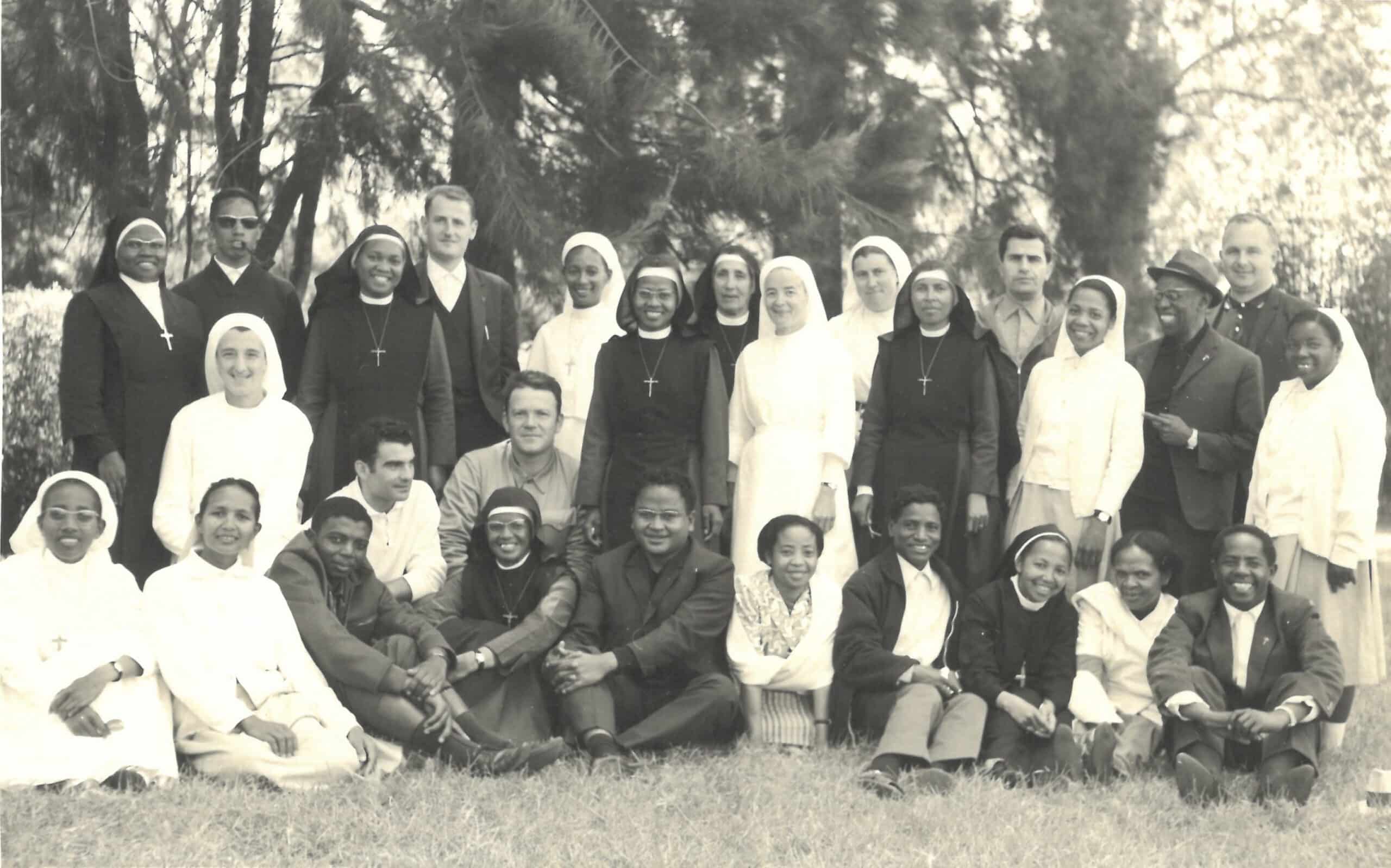
Sr. Thérèse-Henriette Rasoazanamanana (3rd from the right, front row), national advisor for the Rural Youth Movement, with a leadership session group of the FMTK (Chaplains, Brother advisors, Sister advisors, and several laypeople). Antsirabe, September 1-15, 1968. Source: MM, 3S 3-18b.
The Sisters are also involved in the spiritual animation of rural groups, such as local branches of the FMTK (International Catholic Agricultural and Rural Youth Movement). In Antsirabe, they also lead workshops for trainers on rural development for the FERT association (Farmer Training and Promotion of Agricultural Professional Organizations).
The bush ministry began shortly after the Sisters arrived in Madagascar in 1948. Since then, several communities have participated in this mission within their respective dioceses.
In Toamasina (Tamatave), the Sisters arrived in 1986 at the request of the diocese to provide a retreat house to priests and nuns. But as early as 1987, they began their bush ministry at the request of diocesan priests, particularly the Missionary Oblates of Mary Immaculate. Until 1992, they conducted a month-long tour every year in the most remote southern part of the diocese (Marolambo and Ambinanindrano) to provide formation and retreats for all types of faithful: catechists, inspectors (catechist coordinators working closely with the priest), adult, youth, and children spiritual movements.
The community’s 2007 apostolic report testifies to the scale of this mission. That year, during their tour, the Sisters led retreats, days of reflection, and formation sessions in various districts and parishes: 180 people in Mahanoro, 53 in Masomeloka, 86 in Ilaka Est, 54 in Anivorano, and 175 in Tamatave. The majority were women. From Mahanoro to Masomeloka, the trip by dugout canoe took an entire day.
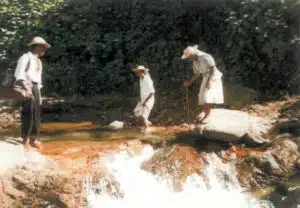
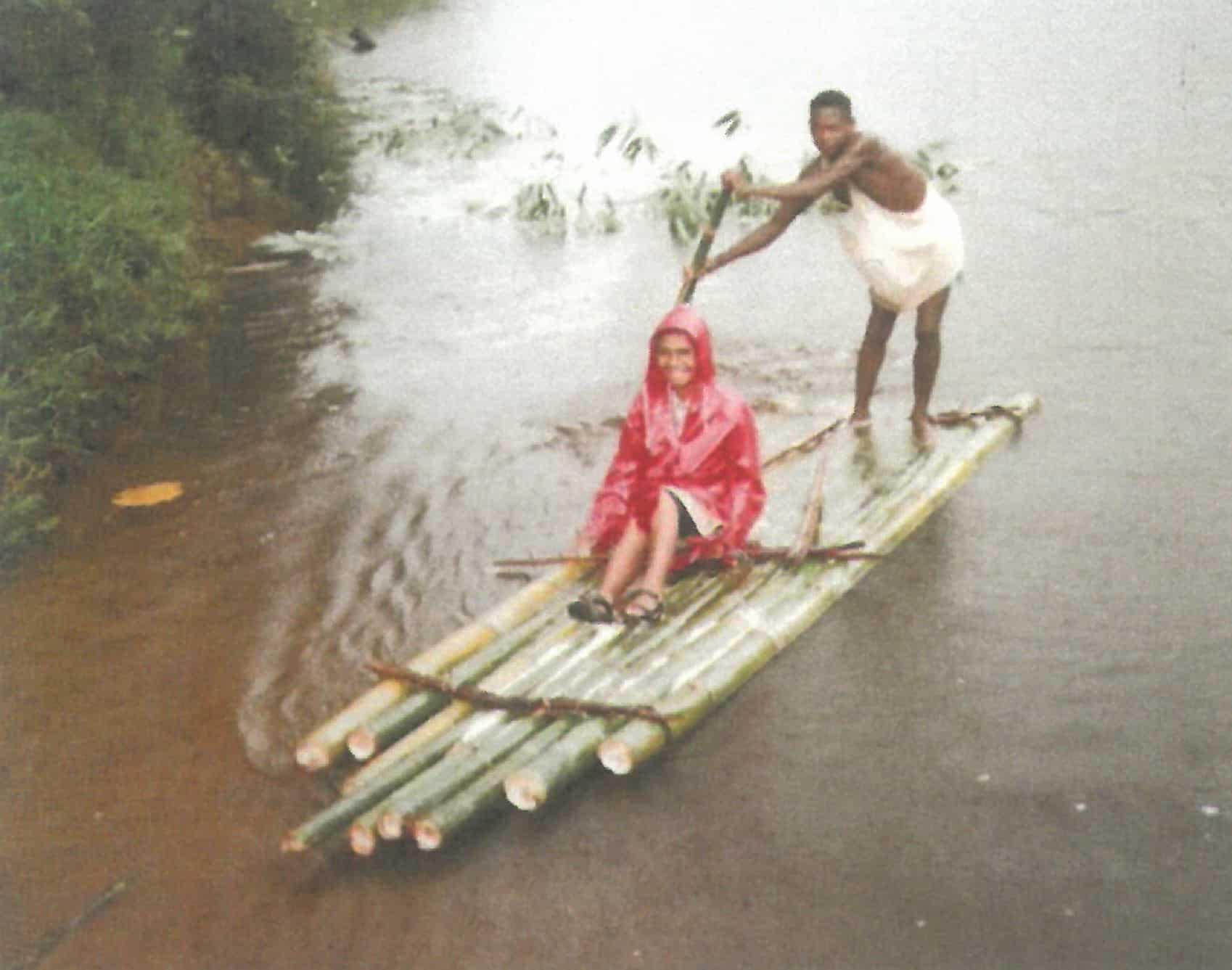
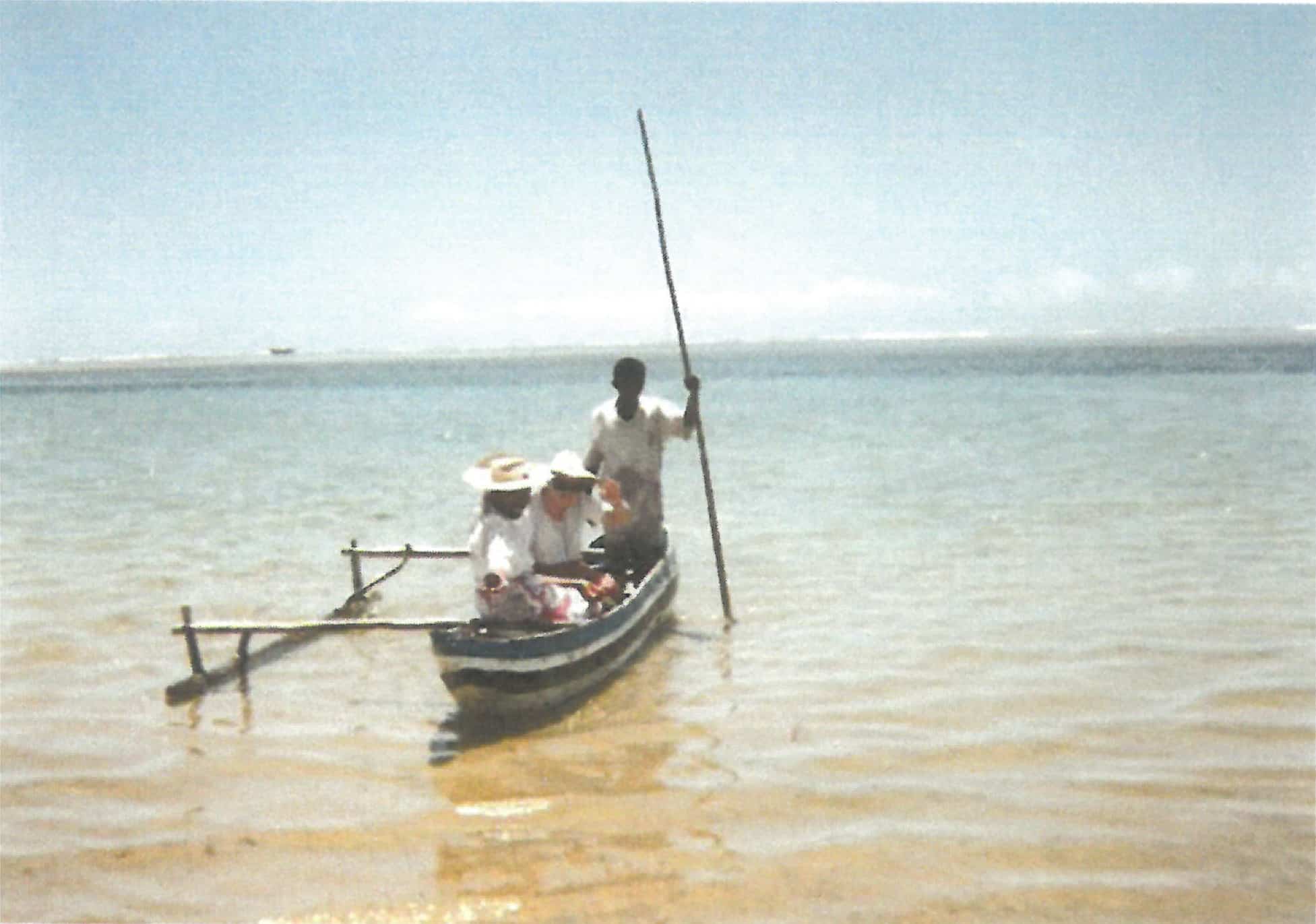
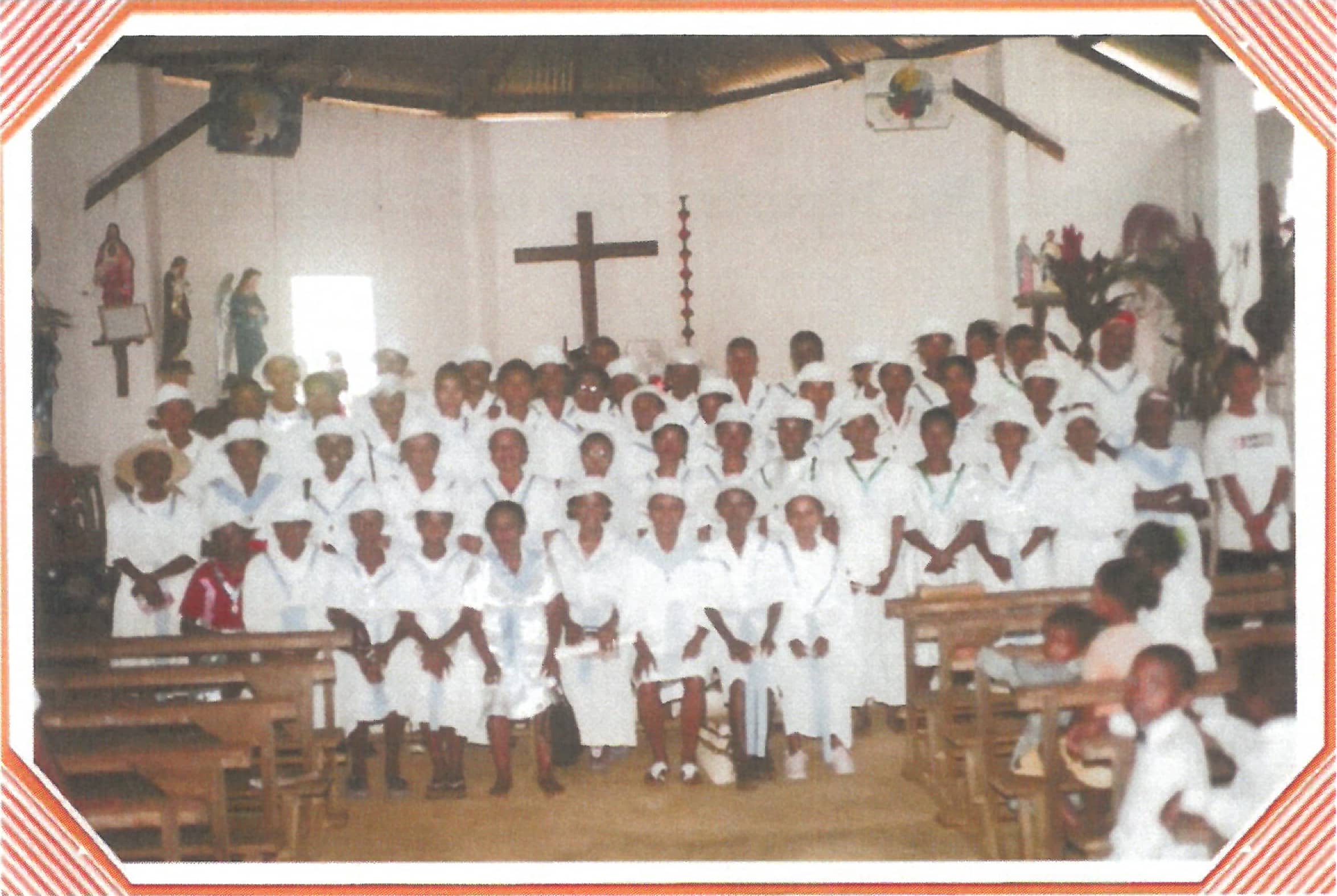
Travel during the tour and a group of 53 CLC retreatants in the district of Ambodibonara.
Source: MM, 6G 30. Toamasina community booklet for the 2008 international meeting on the apostolate, November 2007.
Some people walk 12 to 20 miles; others sometimes walk for an entire day. The people have a thirst for God, and we realize they need our charism. They want to deepen their faith in the Triune God but need accompaniment to grow further in their life of faith.
In this mission, we are truly happy to go beyond ourselves to “make Jesus Christ known and loved.” Furthermore, this ministry among the people gives us great inner joy; it is an encounter that weaves bonds and, above all, makes us deeply understand the importance of our mission today. We see that so many people need the charism of the Cenacle.
For us, the mission develops our openness to ourselves and to others, especially to the youth. We have also gained experience because give-and-take is at the heart of the mission. Seeing the people’s desire to deepen their faith in God also increases our own faith and encourages us to have a missionary spirit. The bush ministry is a team effort. Our “Not without you” motto is very much present there.
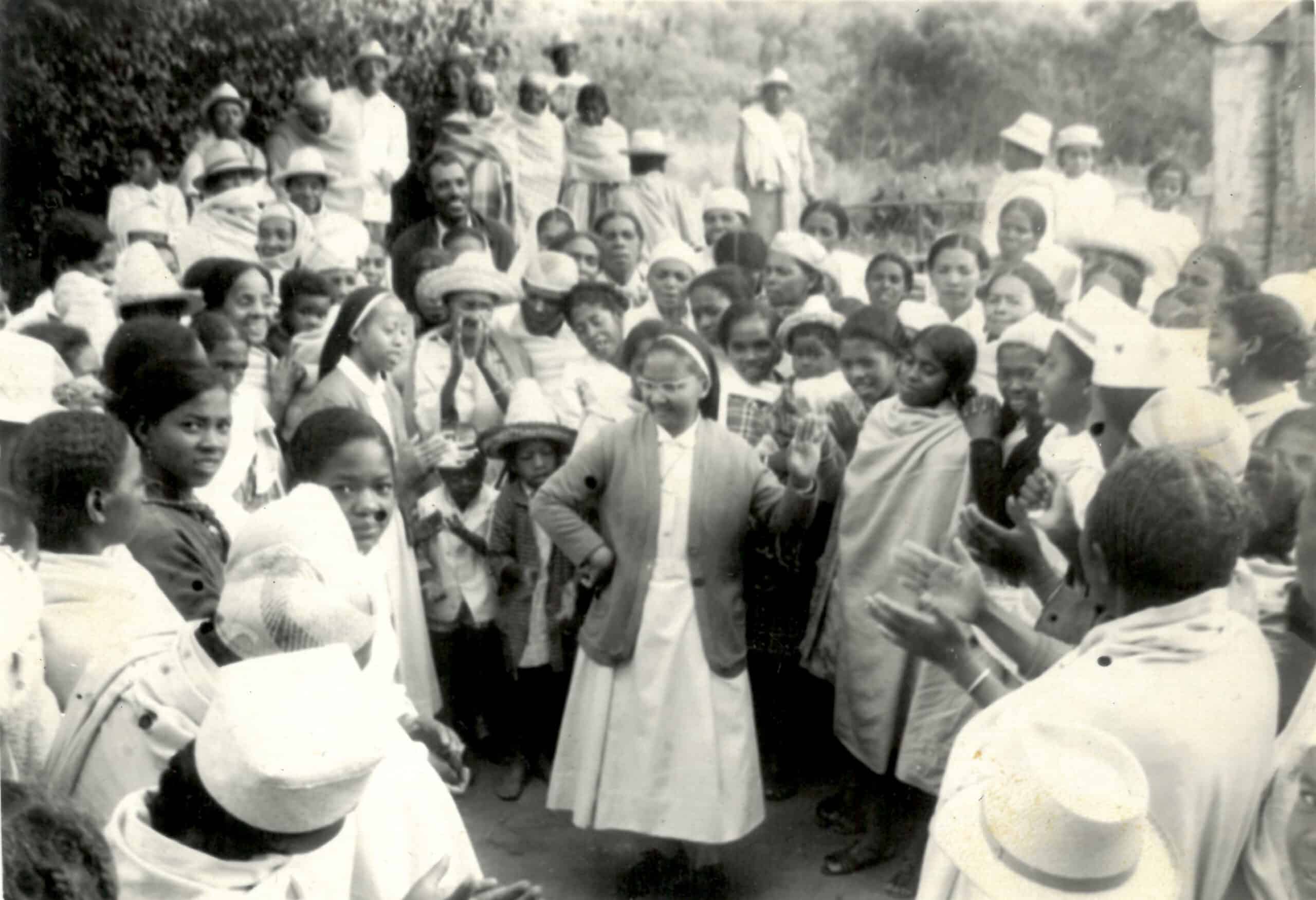
The crowd and Sister Odette Rabodosoa clap in time for Sister Thérèse-Henriette Rasoazanamanana, who is dancing during a retreat for women and girls held from May 26 to 31, 1971, in Ambositra (Ambalamanakana). Ambositra is located in the bush. At the time, the town belonged to the Diocese of Fianarantsoa, but it would become a diocese in 1999. The Sisters had not yet established themselves in Fianarantsoa. The two Sisters belonged to the community in Antsirabe.
Source: MM, 3S 3-18b.
We are very happy with our experience of this outreach mission in the countryside. It requires us to be open-minded so that we can immerse ourselves in the local culture, and it fills us with great joy and pride in being Sisters of the Cenacle, because we feel that people need us.
Sr. Christine Rasoloarisoa
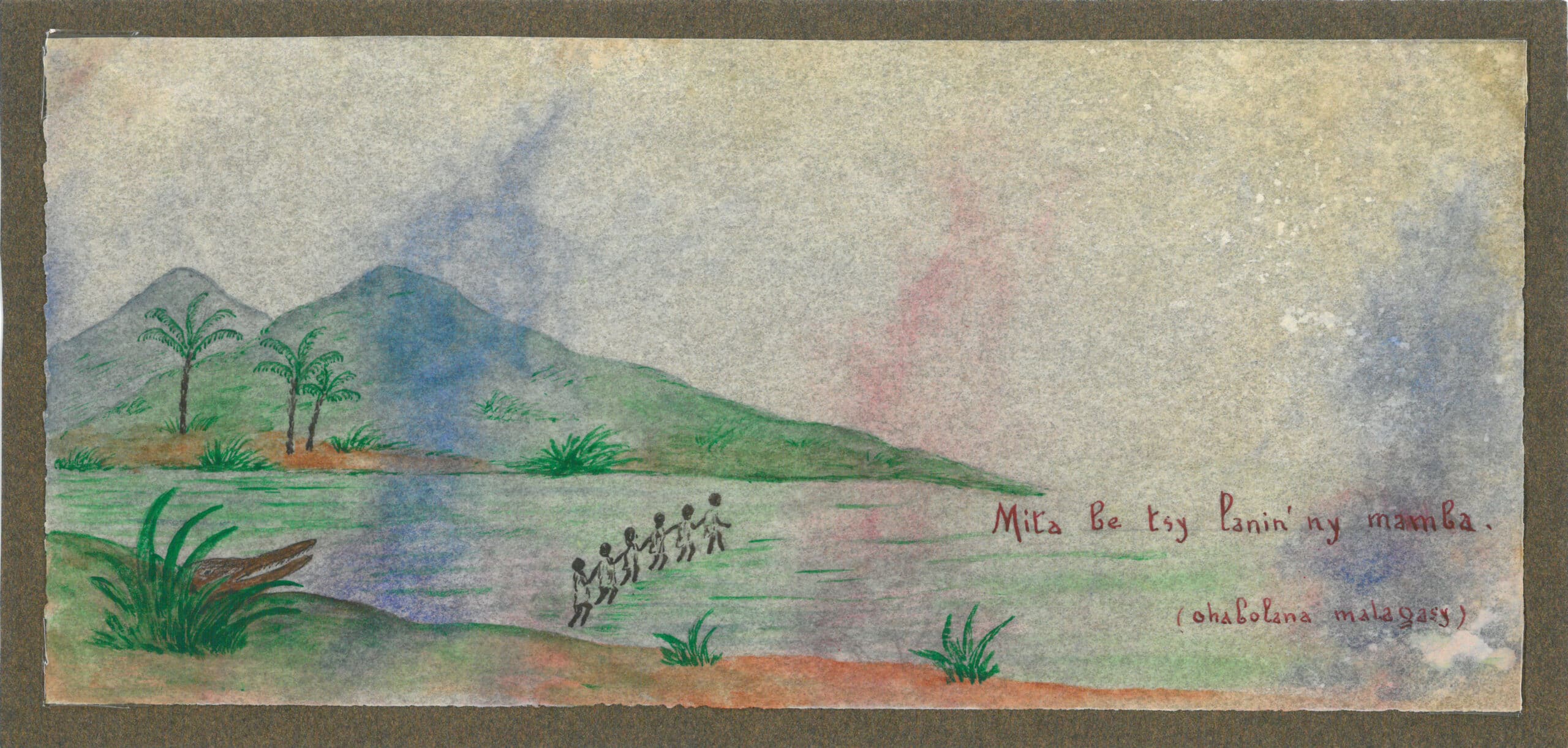
The Malagasy proverb “Mita be tsy lanin’ny mamba” (literally, “Those who cross [the river] in large numbers are not eaten by the crocodile”) is the equivalent of the English “Unity is strength.” It resonates with the testimonies of the Sisters who have lived the bush apostolate in Madagascar: the “give-and-take” and teamwork (“Not without you”). On mission, the Sisters and the villagers “cross the river” of life together to overcome difficulties (geographical and ecclesial isolation, need for formation, poverty).
Source: MM, B/MA/TAN(1).